
Vegas
The driving force behind most of the solo traveling I’ve done in my twenties has been to find a place that could become home. I was sick of being an observer, a consumer, a passer-by — and it felt like anything I tried to grow inevitably fell flat, because I knew I wasn’t happy with where I was. But even after all my travels, I couldn’t really find one American city that felt like home.
With many places explored under my belt without a definitive answer, I decided to at least take some time away to reflect on my career. So for a month last year I based myself in Vegas, far from any distractions. Vegas, of course, sounds like the polar opposite of an environment that would be “distraction-free”. I suppose that’s partially why I chose it. No one in that godforsaken city would be on any personal meccas but me. I even like Vegas, an opinion that often solicits bewilderment in anyone who even vaguely knows me — I’m not exactly a gambling addict with a penchant for sniffing coke in overpriced nightclubs. But I do love absurdity, and Vegas has this in bounds.
The city stands as a living, breathing monument to man’s hubris, situated smack in the middle of the desert where summer temperatures and water levels seem distressingly committed to remaining inversely proportional to each other. Slot machines whirl in labyrinthine casinos devoid of clocks, calendars, or any other pesky objects that could warn you of just how much life and money you were siphoning away to the house. It’s loud and raucous on The Strip and not much elsewhere, save for the Air Force base in the northeastern city limits. The city then just kind of…ends at its outskirts, with dry, flat desert spanning out as far as the eye can see. Drive far enough west and you’ll eventually hit Death Valley, the hottest and lowest place on earth. They really did build a city atop of the bowels of hell.
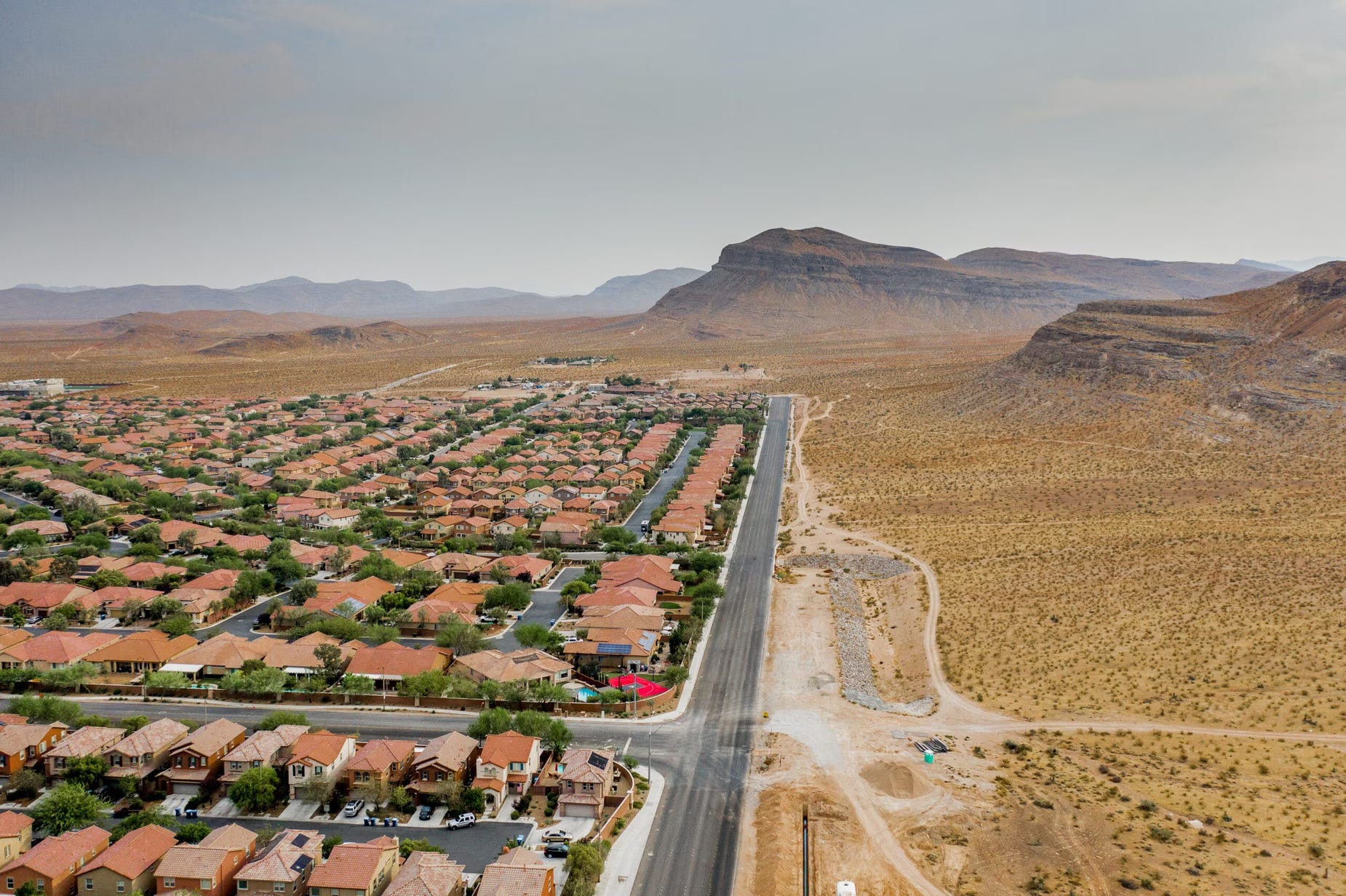
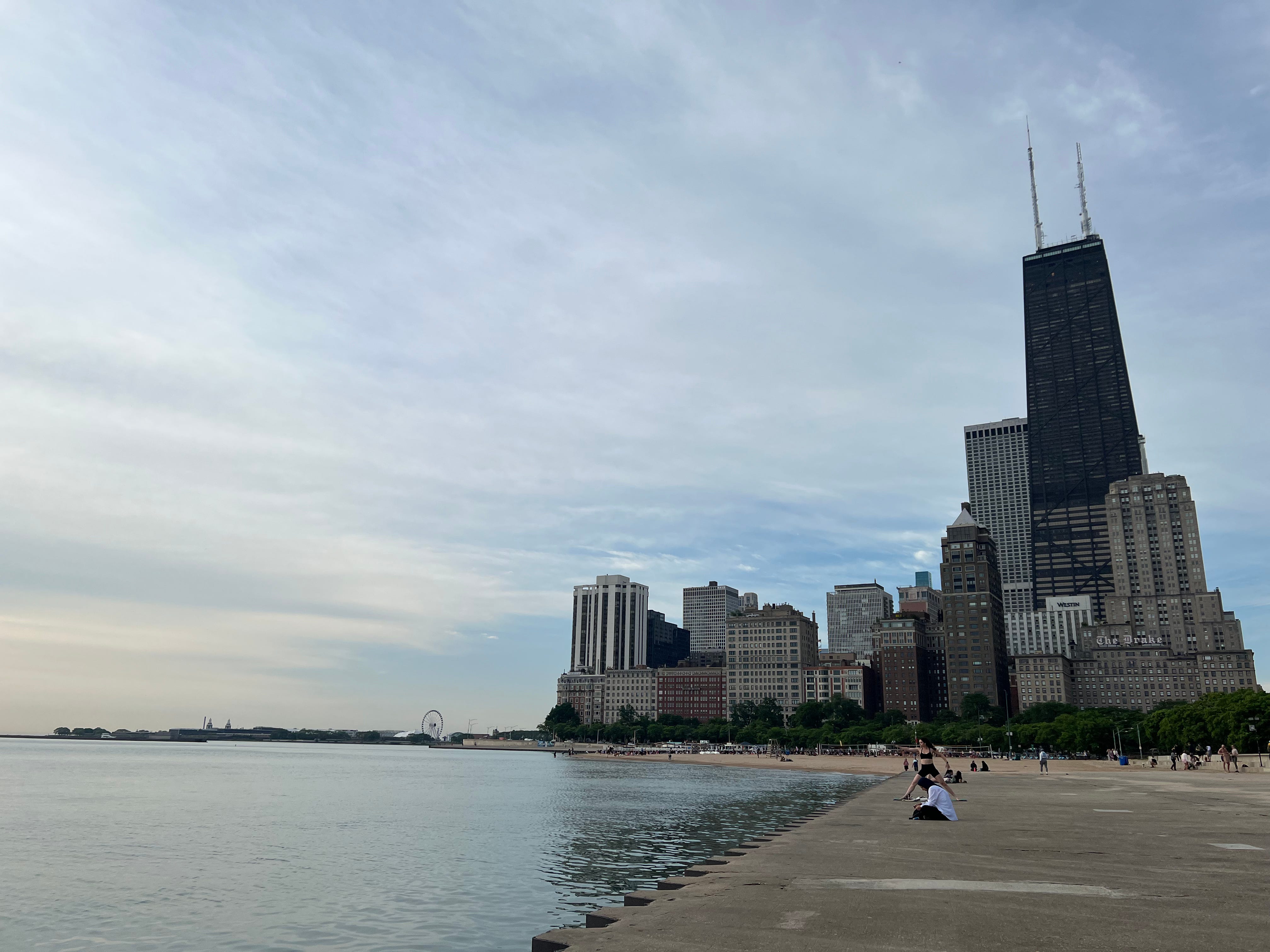
And it fucking rocks. The southwest as a whole is weird, rugged, liminal, and refuses to let itself be defined — it’s got a don’t give a fuck attitude that reminds me of Chicago, in its own way.
It also has access to some damn good nature, which was the reason I’d give people for why I was going here when asked so I wouldn’t sound like a pretentious asshole. I bought the annual parks pass once I arrived, and paid the $80 fee off in less than a week — I was hiking or driving through Red Rock nearly every day during my stay.
The solitude that Vegas provided did help a lot. I felt like I could breathe, and I devoted a lot of thought to what I wanted to do with this life.
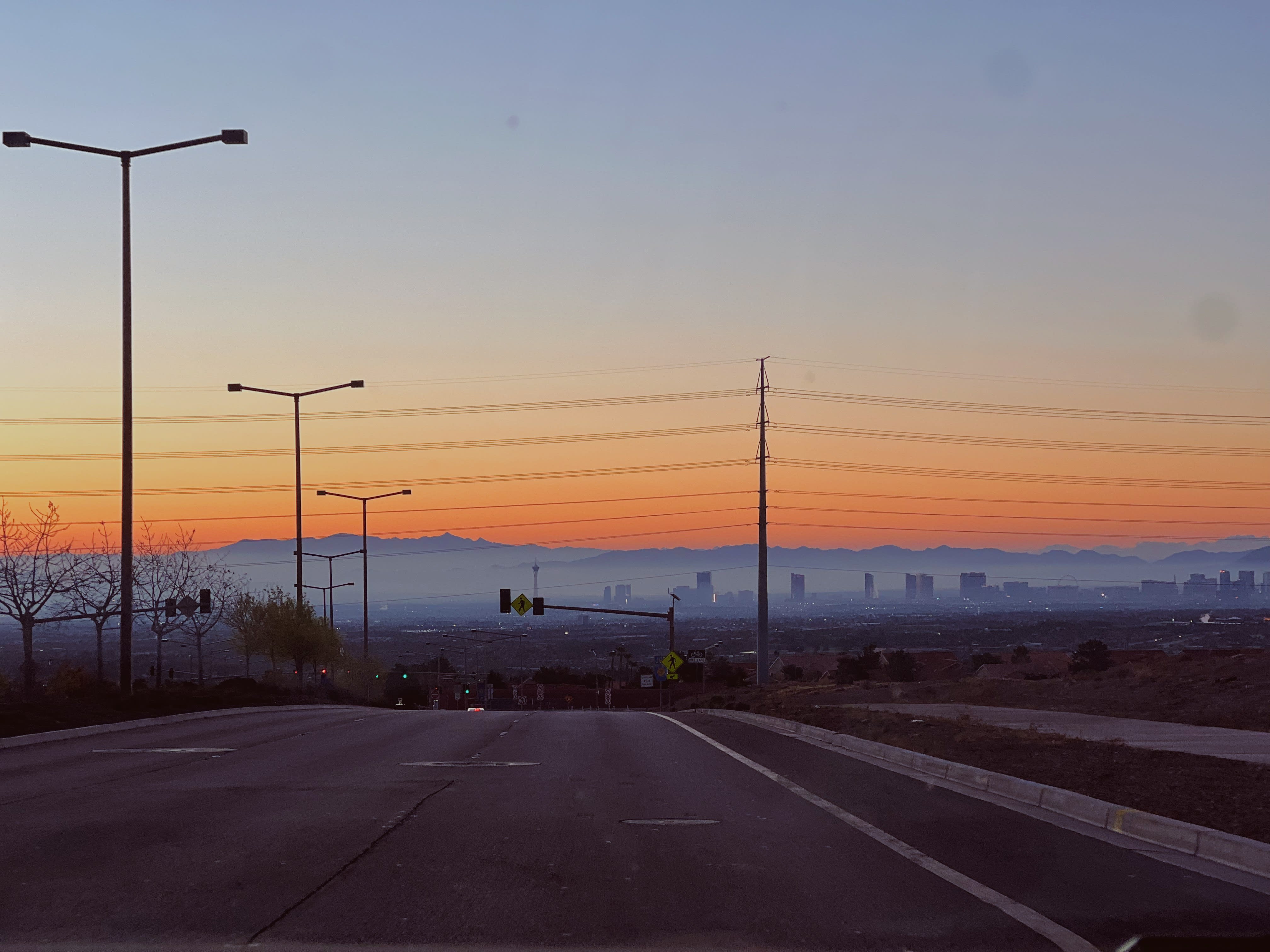
Towards the end of the trip, a volunteer opportunity won me a free ticket to one of the largest annual conferences in the games industry, The GDC Festival of Gaming in San Francisco. I grew up with video games, watching the craft balloon from a niche nerd hobby to the cultural juggernaut it is today. Whenever I ponder writing fiction, it often comes to mind in the form of a game. I figured that getting a firsthand look at the state of the games industry would show me whether trying to break into it was worth pursuing.
Dear reader, it was fucking terrible.
What I witnessed was a very sobering mirror of the advertising industry — swathes of talent wandering around with stacks of resumes as company executives rubbed shoulders without interacting with the rest of the community at all. Somber mentions of layoffs and unsteady gig work solicited sympathetic nods at every other event, and general doom and gloom at the state of jobs, politics, the world, etc. was abound.
It was then that I decided to take a more practical path. It was a decision borne of anxiety, not dreams, but at the time, the choice seemed very clear to me. I could be pragmatic and comfortable or I could become a poor and destitute dreamer.
Chicago
I tried so damn hard to plant roots in Chicago within jobs I thought I could perform well in, an education that on paper would be great for my career and align fairly well with my strengths, and in places I thought I could finally cement myself. Nothing held. At 27, this started to feel really scary. I didn’t mind failing so long as it meant I was trying something, but it felt like doors weren’t even opening at all. Constantly I asked myself whether this meant I wasn’t trying hard enough or if these things simply weren’t meant for me. Was I caught up in a socioeconomic cycle outside of my control, or did I simply not possess the capability to build the life I wanted?
Simple goals like “find an apartment” turned into months-long endeavors as a squeezed market and skyrocketing demand made finding decent places a herculean endeavor. There was one instance where I was riding an elevator up with a married couple from Los Angeles to view the same unit. I’d be racing them to submit our applications once the tour was done. As we went up, they exclaimed to me their disbelief over how cheap the rent in Chicago was compared to their home city. Naturally, they ended up getting the place. It certainly wasn’t any one individual’s fault that demand kept squeezing, but damn if it wasn’t hard not to feel bitter when this situation kept repeating itself over and over again.
Job applications presented a similar story — the white collar gig economy continued to balloon as bloated conglomerates realized they could cut costs by perpetually cycling through contractors rather than retaining full-time employees. This led to senior level contributors who’d been in the game ten years competing with new grads fresh out of college for the same roles.
Facing this much opposition when you really want something is one thing. Not really wanting the things I was pursuing made it 10x worse. I simply didn’t have skin in the game, and I began to hate the city and my job. In truth, I knew I wasn’t just a victim of the markets. I had incredibly high standards that made it difficult for just about anything to meet my expectations. I held them because I knew, even then, that I didn’t really want to build a life in Chicago at all. I resisted because I thought I would be fine if I had just the right place, had just a little more time, and found a job I could actually stand. Ultimately, I just needed to make more money, and then I could do what I wanted.
More money did not come. Shortly after securing a unit well over budget in a neighborhood I didn’t really like, I received a job offer in what I thought would be my dream role in my dream industry, at one of the top companies in the field. It was at an airline, so I’d be getting plenty of opportunities to travel. I’d be relocating internationally and making near double my salary. So I didn’t renew my sublease.
A week after my sublease ended, the company withdrew their offer and ghosted me.
I sat there in bed, staring at the rejection on their career portal. It felt like I had officially hit rock bottom. But the nice thing about hitting rock bottom is that it makes very clear what you actually want to do — and what that moment of clarity told me was that I wanted to go to Tokyo. Tokyo was the farthest I’d ever gone alone. Tokyo was the city I had loved most from my travels. I loved the creative thrum, the culinary scene, the fashion, the absolute sprawl. I didn’t know if it could be mine, but I wondered why the fuck I had been procrastinating for so long to return to it.
2025 was a yearlong string of trying to force my feet into shoes that didn’t fit. And in the humiliating throes of being pushed away from things I didn’t even really want, I realized that I was trying to live my life backwards. “One more year in Chicago.” “One more degree.” One more raise, one more job, a little more money and I’d finally be able to do what I wanted. What I finally realized was that I just needed to start. Could I fail spectacularly? Sure! But better to fail spectacularly doing something you actually like than fail at the “safe” option.
I made a promise to myself from that point forward. I needed to do whatever the hell I wanted and I needed to be brutally honest with myself. This came as a mantra I kept etching in my journal over and over again: It doesn’t need to be good, it just needs to be honest.
Travel is what I know best. I feel secure in myself, more confident, happier, and calmer when I’m somewhere that nobody knows me and I have no one to rely on but myself. It teaches me about myself. It’s a bit like living in a dream, I can’t deny, but dreaming is necessary for the future I must create. You cannot cultivate identity where the old one keeps reasserting itself.
No plan is ever perfect, and there are a few holes in this one. For one, I’m isolating myself again. An unhealthy way of living, sure, but it’s been the modus operandi of my life. When I divulged to a friend my concern that I would maybe go a bit crazy being by myself for so long, he serenely responded that some of the most enduring writers retreated into long periods of isolation to produce their best works — Dickinson, Thoreau, Proust. I appreciated the sentiment but it mostly just got me thinking that we should do a sanity check on where society derives our common wisdom from instead.
Fears of succumbing to insanity notwithstanding, I quite like my own company most of the time. And I don’t expect traveling to fundamentally change me or make me better. I’ll just be who I am in Japan, in Korea, in Singapore, in Taiwan.
So I am here to escape the world as best I can. In Japan, I’m the alien foreigner. I get to exist adjacent to society rather than within it, and there’s a definite freedom to that. Opting out of life for a while is exactly what I’m doing, and I’m very grateful that I’m able to do it at all. I can write, and explore, and briefly exist in a reality that feels safer, and full of more possibilities than home.
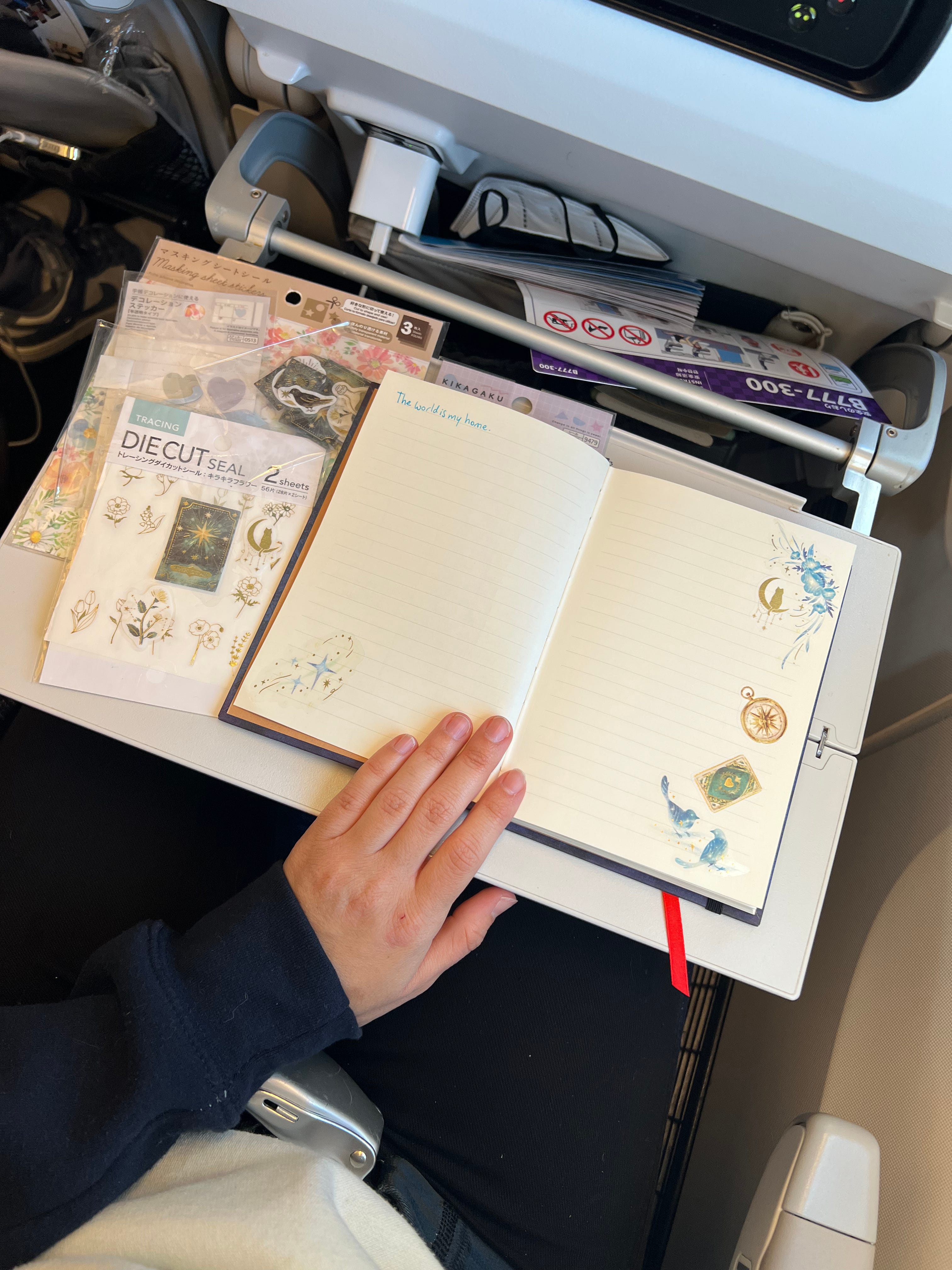
Tokyo
The world as my home, or my playground?
“I think I’ll stay in Kazakhstan next. Or somewhere in Central Asia. It’s one of the few places left that feels undiscovered. Colombia, Bali, Thailand, Japan, Portugal…they’re so overrun now. Everyone knows them.”
I was having drinks with my former boss at some Hogsalt establishment (don’t ask me which, they all blend together) while he was in town. Casually discussing travel and leisure is normative between us – more than that, it’s expected of us. You’d seem like a bit of a bumpkin if you didn’t jet off to some exotic place at least a couple of times a year.
And I understood what he was saying practically, but I was also struck by a strange discordance in the conversation we were having. We were still tourists regardless of whether we reached a destination before everyone else. These weren’t exotic places for us to discover – they were real places that people lived in. We were still consumers. Indulging, eating, shopping, loudly exclaiming how affordable a coffee is while locals have watched its price double in the past year. I’m not trying to posit that tourism is a bad thing, but at the foreground of constant consumption in our daily lives, it adds up to quite a lot, actually. Is travel a hobby, or is it just another form of shopping?
Japan is straining under a weak yen and a tourism boom that locals are openly exhausted by, and I’m directly contributing to that because my home has gotten too expensive to live in. My trip to Tokyo is just my story with the couple in the elevator but in reverse – now I’m the one boasting over how cheap the rent is.
I think everyone that has the means to is looking for a space where they can breathe, and a lot of us are coming to the ugly realization that you can’t escape the world anywhere. High enough up on the food chain, sure, you can insulate yourself from its worst derelictions enough – but for most of us, no dice.
That’s why I feel this sense of urgency, in that I think this could be my last opportunity to travel extensively in a while. With yawning economic gaps and increasing domestic and international political tensions, I don’t want to wait for a nebulous “someday” to see the things I want to see. I need to do this now.
Home isn’t a thing I can escape

Three years ago on a trip to Korea I wrote that the world was contracting in on itself, buckling beneath geopolitical and economic anxiety. The promise of globalism in its neoliberal incarnation was dead. Western politics were bending back towards conservatism. We were not, in fact, at the end of history. And as Americans, we have quite a lot to reckon for it.
I’m very curious to see how I’ll be received as an American now versus four years ago. We Americans love to travel abroad and say oh, we don’t support it. Baby, we are it. We’ve been built off it. This is the hypocrisy innate to my journey as well. I’m a consumer of new places and ideas, a perpetual passer-by who gets the luxury of dreaming. But does being a beneficiary of empire really grant me the privilege of dreaming, or does it stunt my imagination and wrap all of my “dreams” up in consumerism? What does roaming around with a strong passport and currency actually grant me in terms of perspective?
(This is also where I lose my patience with the Europeans who chide us when we travel abroad — you are the profiteers, same as us. We are your new incarnation, your bastard child. You are only angry that our rogue leader has breached the social contract between Western nation-states, and left you scrambling for a foothold in the global pecking order.)
To be frank, this is the one identity I don’t question at all. Every time I leave home, the feeling has made itself more and more pronounced – that I am an American before anything else. Where else could I possibly go, and who else could I possibly be? I have always felt an outsider in my home, and now I leave to find that I will be an outsider everywhere else, too. I can either claim my home or become a liar, but in any case never abandon my identity entirely.
What am I escaping, and what do I want? The answer is still money and money, honestly — I need to escape the cycle of making money by making more money. Then I’ll feel safe. Then I’ll be free. Then I can have what I want. Then I won’t have to play pretend anymore. Maybe all I really want to do is draw the blinds closed, drop the pretense, and tell the rest of the world to go fuck itself. Do I actually care about anything or anyone outside of myself at all?
The luxuries I’m about to enjoy were granted to me by the very thing I’m escaping. It’s inherently paradoxical, and leaving doesn’t absolve me of anything, but staying wouldn’t have offered clarity either. So I’m off to confront the limits of my insulation, both personal and societal. Whether that breaks a cycle or repeats it is something only time will tell.
This piece was inspired by James Baldwin’s A Question of Identity, an essay I read shortly after my own decision to leave. It resonated deeply with me, as Baldwin has a unique gift of communicating what I’ve always felt but couldn’t put words to. Sometimes things enter your life at just the right time, and Baldwin’s literary work, beginning with A Question of Identity, is one of them for me. If you, too, are a driftless American, I highly recommend giving it a read.
"I appreciated the sentiment but it mostly got me thinking that we should do a sanity check on where society derives our common wisdom from instead." - the way I laughed at this (as a writer/"hermit in residence")
“Facing this much opposition when you really want something is one thing. Not really wanting the things I was pursuing made it 10x worse.” SO real. Great read! Also love the subtle Hogsalt diss