
I love a good afternoon tea. It’s the perfect excuse to dress up and snack on some finger food, lounging idly with a book in hand beside intricate floral arrangements or a beautiful view. Sometimes there’s soft music, the sound of running water, or low conversation in accompaniment, and the whole thing feels idyllic and dreamy.
So I jumped at the chance when I saw Aman Tokyo offered a high tea experience. If you aren’t familiar with Aman, it’s a premier luxury hotel brand, a tier above the Four Seasons but below Cheval Blanc (in my opinion, anyway). Known for their exclusivity, most Aman properties are deliberately remote, requiring multiple transfers to reach. As their first inner-city location, I knew Tokyo was one of the only properties I could realistically experience anytime soon. Even just getting to see the lobby would feel like access to something normally out of reach for me.
Is it tacky to want to experience a luxury brand that badly? Yes 🙌🏼 but I don’t really care. I seek out exclusivity and accolades because I want to see what’s possible. That’s why having this fall short felt so disappointing.
Besides, the brand name wasn’t the only pull factor. I also loved that they theme their courses around seasonality, something I’ve come to learn Japan takes seriously. That signaled intentionality to me. So beyond the premium tea, which I knew would be easy to come by anywhere here, the food was what I expected to justify the price.
My last reason for the visit was that their bar was on my shortlist anyway, so I hoped to hit two birds with one stone.
If you want to skip the next section, I’ll save you my complaining with the verdict now: it sucked.


I’ll get into the good and the bad, in case you’re considering it yourself. At 12,000 yen (~$76 USD as of February 2026), it’s definitely a splurge.
The good
The lobby is visually stunning. Sweeping floor-to-ceiling windows flood a beautifully designed postmodern atrium with natural light, and a sleek minimalist aesthetic offers a chic urban luxury vibe. I was practically gaping in awe as I stepped out the elevator bank.

The lounge shares an open space with the hotel lobby, which means you get to keep that beautiful atmosphere around you while sipping tea. For me, though, it was a bit of a detraction. This was probably my least favorite high tea setup ever — the space felt structured more like a bar than somewhere to sit idly with friends and chat. But that’s subjective; some people might prefer it.
Sometimes there’s a koto instrumentalist playing while you have tea, though they weren’t performing during my visit. I timed my reservation for sunset and was rewarded with sweeping golden-hour views of Tokyo once the blinds lifted, which I highly recommend doing too (just don’t time it too early, or you’ll be staring at black screens for most of your meal).
And while they were few and far between, I’ll give flowers to the parts of the meal I enjoyed. I ordered the Ichigo Drop, and despite my initial skepticism about how good strawberry milk could really be, it ended up being my favorite part of the meal. The fruit syrup was perfect, deliciously balanced between sweet and tart.
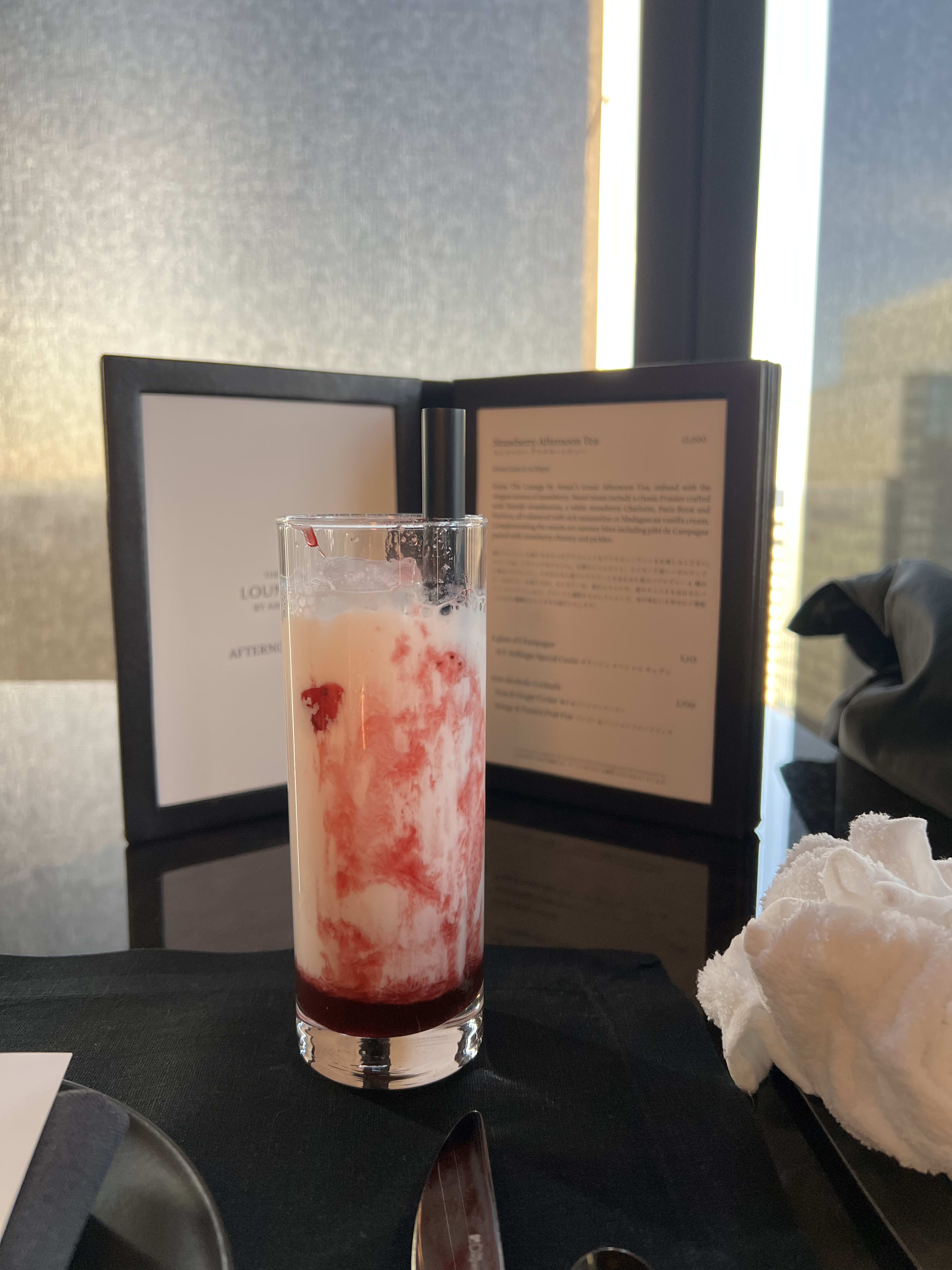
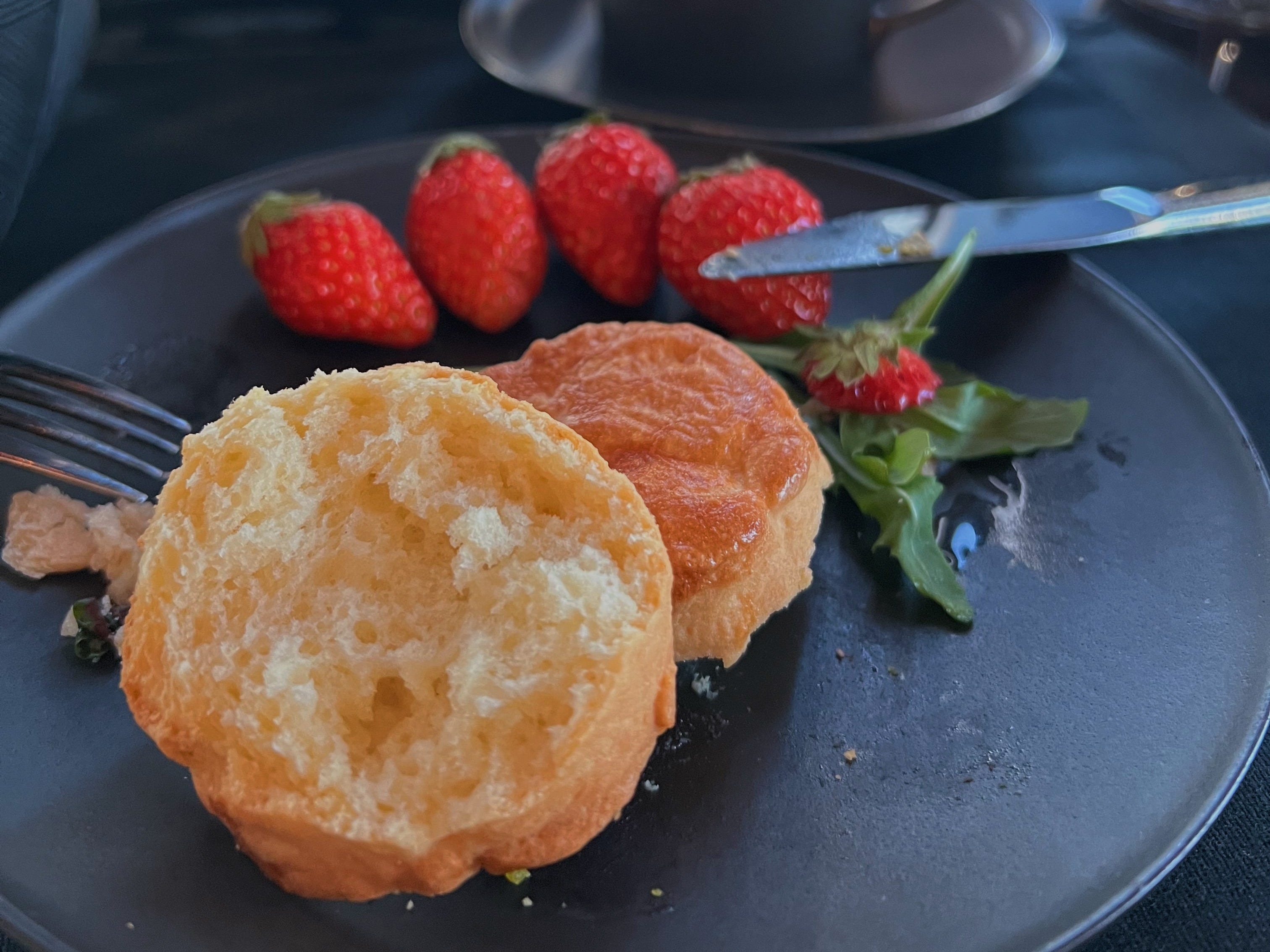
Most of the sweets were great too — the strawberry pavlova was probably the best bite I’ve ever had at a high tea. With how delicious the strawberry milk and sweet offerings were, I’m thinking the café downstairs might be the better move if you’re looking for an “Aman experience” without the full price tag.
The bad
Save for the exceptions I mentioned, most of the food was just bad — nearly everything tasted dry, flavorless, and like it had been sitting out for a while. I’ve had better bites at teas that were a half or third of Aman’s price.
I hate commenting on service unless it’s noticeably poor, because it’s usually an asshole move, and it always comes off like “the hostess didn’t smile at me enough :( and that made me sad 😔”. But this was bad in a “I’m struggling to even get what I paid for” way.
I had to flag someone down ten minutes after the food arrived just to order the tea, and getting anyone’s attention after that felt like pulling teeth. It wasn’t communicated that refills were free, so I ended up getting way less than what I paid for. By the time I was being ushered out well before my two-hour limit, I was eager to leave. The whole experience felt like they were managing a revolving door of customers without any customers actually waiting.
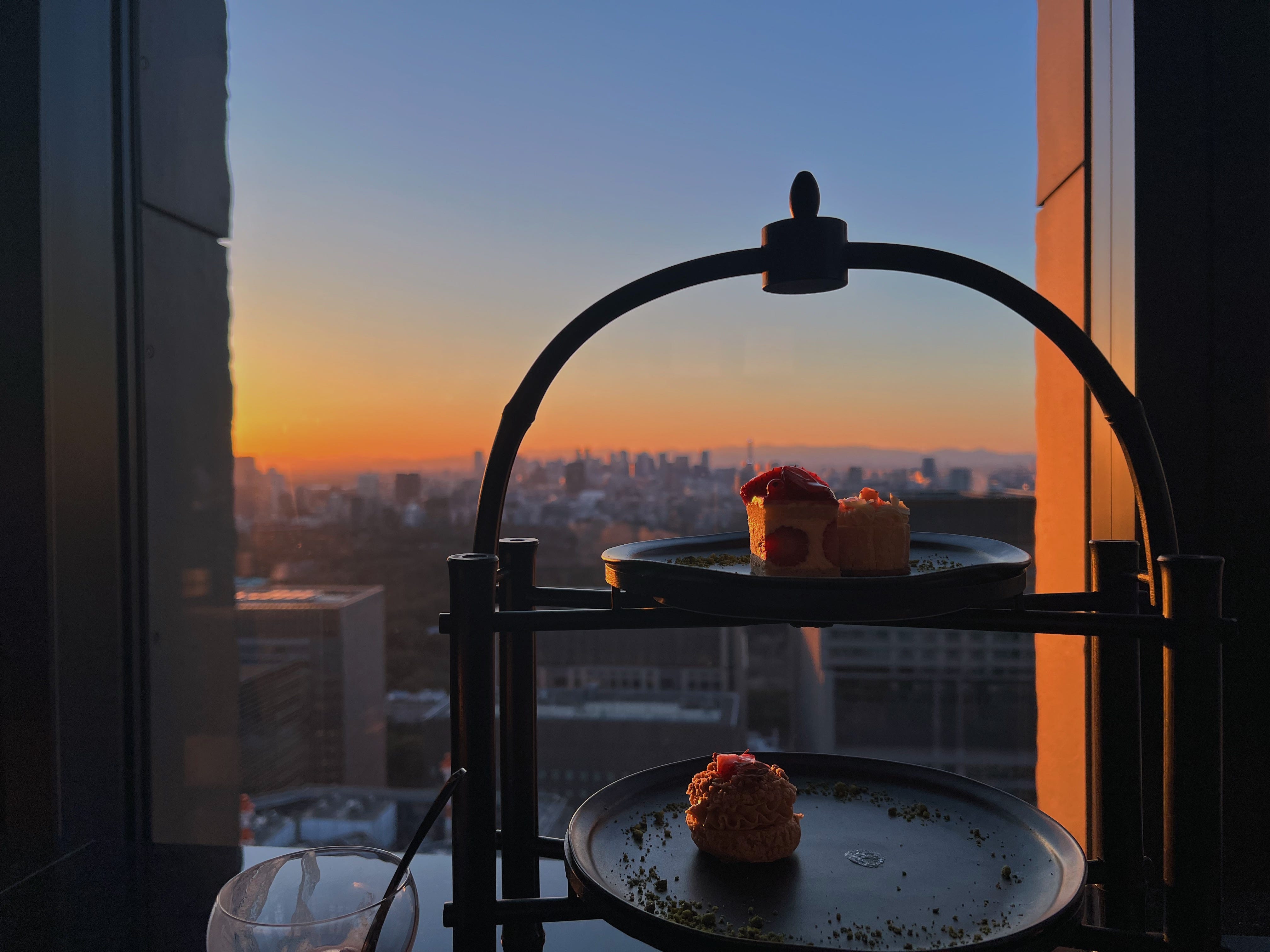
Basically, most of the food wasn’t good and it was clear they wanted me out of there as quickly as possible. That’s understandable if a place is busy, but this wasn’t. The Sakurai Tea Experience the week before cost half as much, has a fraction of Aman’s space, and never once rushed me. And teatime is meant to be slow, dammit! If you’re gonna charge me $80 for a single pot of tea and ten bites of food, at least let me enjoy your lobby!!
Aman’s high tea felt like a beautiful Instagram photo op that stopped there. Vibes off. Food garbage. $20 cocktail that tasted like Lemon Brite. Worst of all, I could sense a man who worked in asset management at the bar. Maybe he cursed the place with his evil BlackRock energy (yes it’s actually capitalized like that which is so scary). I was not having a good time!
All roads lead back to Chicago Restaurant Week
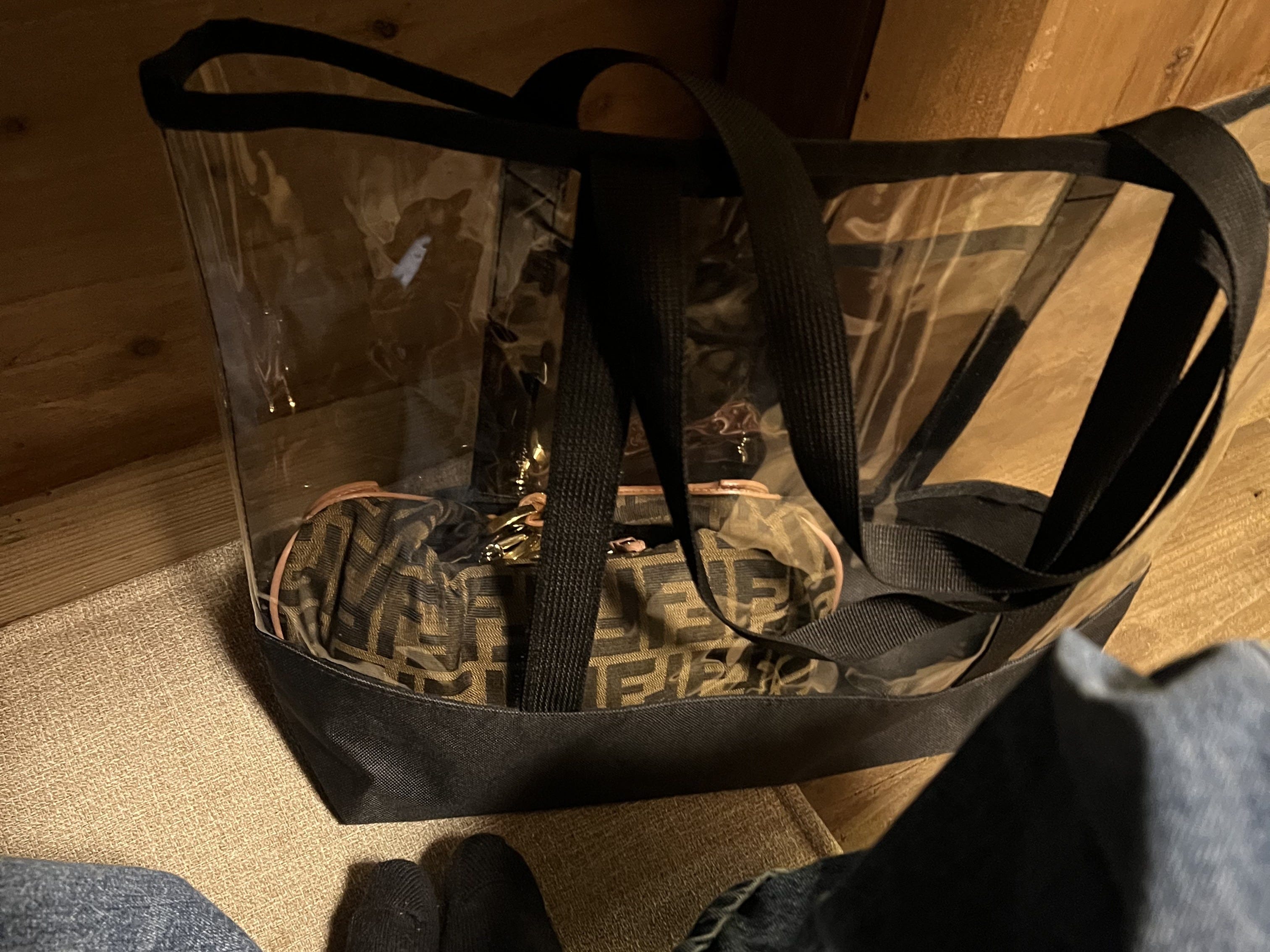
A disappointing experience is nbd. Life goes on, I mourn the waste of money and cry into my Fendi bag, etc.
But the whole experience felt oddly familiar, and I was scratching my head trying to figure out why. The rushed pacing, the diluted quality, the tiny portions…then it hit me like a truck. I got Chicago Restaurant Week’d!!!
What the fuck does that mean???
Getting Chicago Restaurant Week’d is when a prestige brand compromises on its reputation by trying to get away with offering a mediocre experience that stretches its staff thin just for a quick buck! It’s the pinnacle of greed-induced enshittification!!
Here are a few examples. The most disastrous may be Asador Bastian’s Restaurant Week offering this year, documented here and here. To summarize, they didn’t communicate that their Restaurant Week menu was only available to the people who had reservations at 4:00 or 4:30.

While that was a PR disaster, my least offensive experience was Esme’s restaurant week menu. Dining at a 1-Michelin-star restaurant for $60 sounded incredible! Unfortunately, it fell slightly short. Thankfully no sins were committed beyond a slightly disappointing meal, but my friend and I left devoid of any interest in returning for the full menu after that. Lowering that veil of exclusivity to a disappointing product had hampered their mystique in our eyes.
Boka had the opposite problem. From 2021 to 2023, they offered one of the best Restaurant Week deals in the city. Unfortunately, greed eventually caught up to them. A wave of social media virality in 2024 led to the restaurant cutting reservation time slots in half to push more people through the door. I remember staring in horror as I approached the restaurant for my return visit that year – surely these hordes of people waiting around outside couldn’t all be spillover from the evening seating?! I would’ve turned around when I saw the frazzled host stand if it wouldn’t have put me out of my prepaid $60.
The quality of the food had taken a huge hit compared to the year before. The staff were visibly tired and overworked, rushing to address a packed space. No one looked like they were having a good time, and if I hadn’t had such a good experience the year before, it would have left me with no interest in ever returning for their full menu.
Maybe brands don’t care if the more accessible experience is worse because they assume the people coming for the cheaper experience and the people they’re trying to attract for the full one don’t overlap. That’s obviously shitty for us, but it’s a likely reality. Why bother courting someone who won’t even be a return customer?
It’s also shitty for them, because we live in the age of social media and there are assholes with too much time on their hands writing thinkpieces about it.
Granted, I’ve been simplifying the problem a little bit. I’ve been wringing hotel and restaurant owners by the neck as amorphous boogeymen for most of this piece, so let me cut them some slack.

It’s a fact that operational costs have skyrocketed since 2020 and food service already operates on a very tight margin. As the economy worsened, we all gradually had to accept that everything was going to keep getting a little bit worse. That clearly extends to the human factor, too. Why should the service people owe me polish when the job they worked so hard for isn’t compensating them enough to make ends meet anymore? Sometimes strain isn’t the result of greed, but factors outside our control.
I don’t know why one of the most exclusive brands in the world chose to offer something like this at their Tokyo property (beyond suckering people like me in who were looking for brand name recognition). If you’re a luxury brand and you want to do something less exclusive like a tea or drinks service, it needs to live up to your reputation. I walked in with high expectations because Aman’s whole thing is that it doesn’t covet mass appeal. I expected something exceptional and what I got was an experience for the same price I would’ve paid in Chicago, at a much lower standard of quality. When this is the result, the whole offering ends up coming off as cheap and greedy.
If you require exclusivity in order to maintain your craft at a certain standard of excellence, that’s fine. But when you offer us normies a peek behind the curtain, you’d better make damn sure it lives up to the reputation you’ve built for yourself if you want to keep that intact.


Luxury isn’t cheapened by more people gaining access to it. It’s cheapened when an establishment compromises on their final product in the name of greed. And in the middle, it’s the people creating or delivering the product who end up getting stretched thin. Exclusivity can’t be manufactured.
Luxury is tacky when it becomes a parade for class performance and social posturing rather than a commitment to refining a craft into excellence. In order to achieve that refinement, you need to be doing something special, you need to be properly compensating the people who make it happen, and you need to be mindful of your reputation as you pursue scalability – am I ensuring that everyone gets a premier experience?
If the answer is no, don’t bother.