
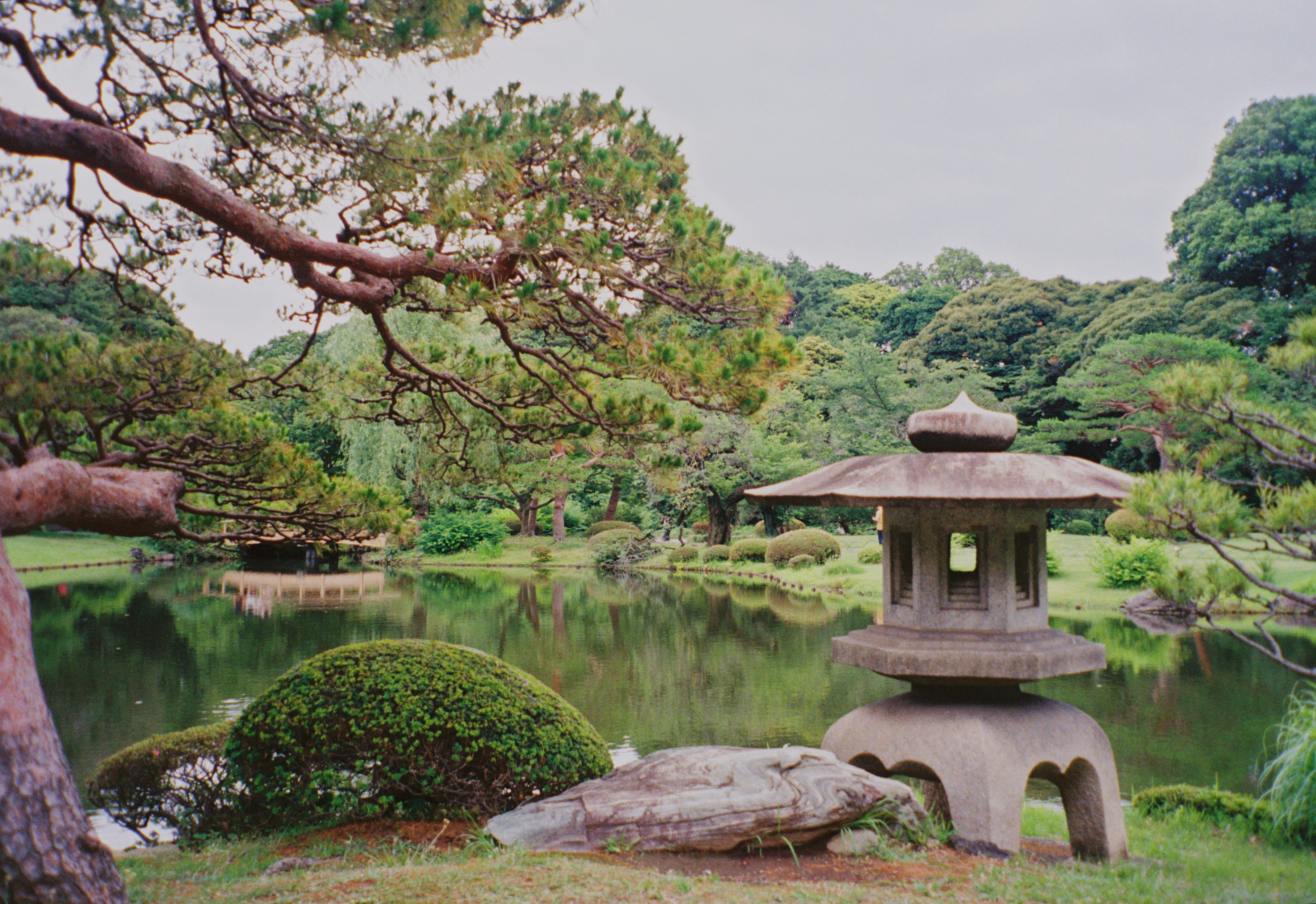
In many ways, Tokyo was my first love. When I first touched down in 2022, I knew I had arrived somewhere that would become a place of frequent return in my life — I’d never experienced instant recognition like that before. I’ve had the honeymoon phase, felt my doubts, and fallen in and out of love with it, but somehow, I always come back.
Like all kinds of love, attempting to quantify it is difficult. Attempting to justify it is even harder. I imagine some of you may read this list and find it too basic, too blasé, too whatever…and, well, yeah. I spent two months there, not two years. But I do know I love Tokyo, and I know I love to eat and drink and explore (in that order), so I hope it proves useful to someone. I don’t think residents will glean very much from this list — but for tourists and first-timers, I’ve got you.
Approach this as a highly opinionated love letter with addresses attached, and don’t be afraid to let yourself wander too.
Here is a 🌏 Google Maps list with all recommended spots in this guide pinned and tagged by category. Best viewed on mobile where it’s visually cleaner and you’ll have access to the tags.
This guide is a spiritual successor to Anna Lapomme’s London guide and Shelby Chambers’ Paris guide, both of which contain a ton of heart and wit. Check them out, and feel free to steal from all three of us.
A few pointers first.
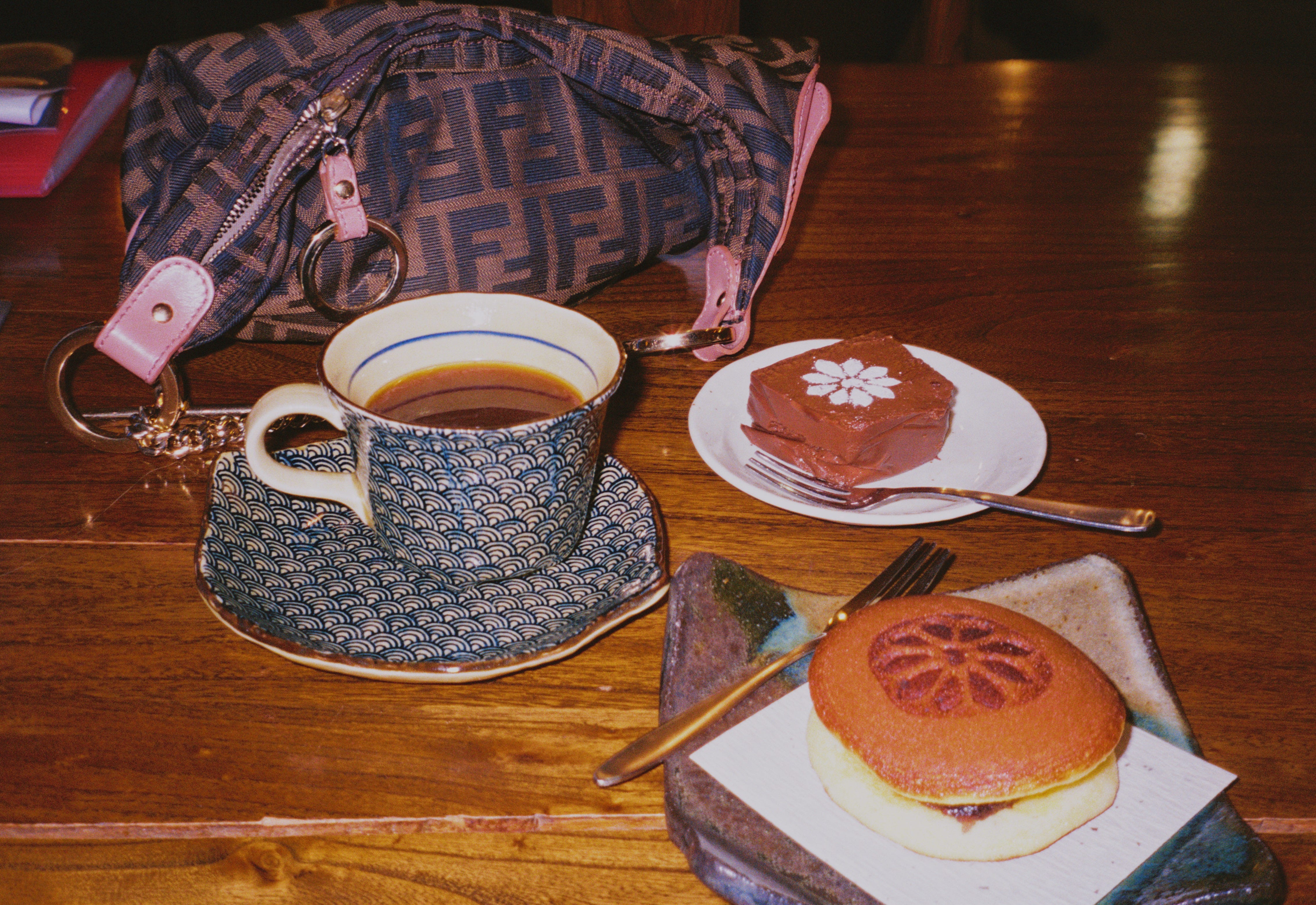
Tokyo is big. Like, really big. And its transit system is beautiful and clean and sophisticated, but you really don’t want to lose 40 minutes of your day teleporting between wards. Cluster your days around neighborhoods, and try to plan travel around rush hours — the trains get packed.
Station exits matter. Pay attention to them. “Five minutes from Shinjuku Station” means five minutes from Exit A5…and fifteen minutes from Exit J3. I am not exaggerating. Not every station is a mile-long behemoth with over 200 exits (I am still not exaggerating), but just keep this in mind.
Japan is the most earthquake-prone country in the world. Download the NERV app for updates and advance warnings on larger quakes.
Double-check hours of operation. A lot of places stop service between lunch and dinner, and it’s surprisingly difficult to find a meal, or even a coffee, before 11am. Tokyo isn’t really a breakfast-friendly city.
All of this is solo friendly. The entire city is solo friendly. The vast majority of my meals and activities here were solo — I didn’t have a mystery boyfriend, group of friends, colleagues, or any other side characters I was secretly carting around. Don’t piss me off and ask if something is doable solo in Japan. The answer is already yes.
Carry around some cash. It’s no longer king in Japan, but it definitely still holds court — you’ll need it at some temples, smaller restaurants, and flea markets. And in a bizarre anomaly from the rest of the entire world, the airport exchange rate is actually decent here. Coupled with nearly every 7-Eleven having an ATM, don’t ever fret over running out of cash. ¥1000 JPY is somewhere between $6–7 USD in 2026, depending on the current exchange rate.
Tokyo is a reservation city. I got away with a lot as a solo diner, but you will have less luck in larger groups. Keep that in mind!
The queue is not God. The Japanese love queueing. It does not necessarily mean that the spot is good. Learn from me.
Eat
Of course, we need to start here.
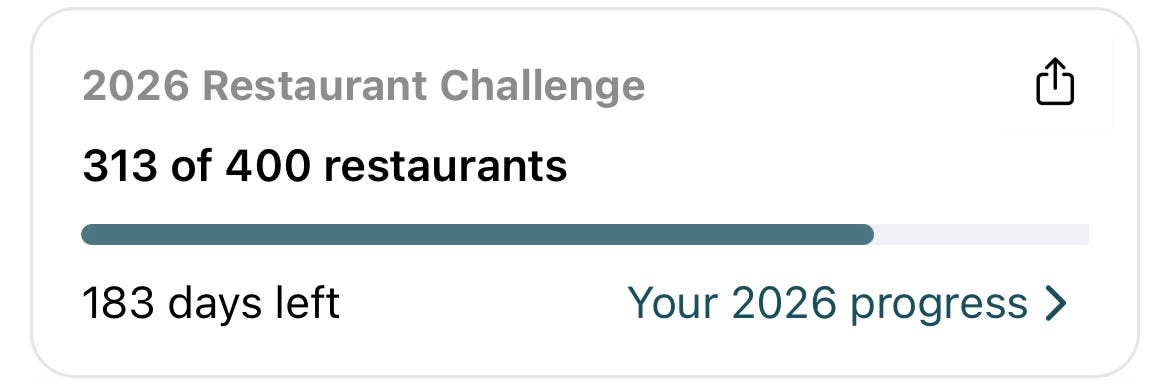
If you want a comprehensive list of everywhere I ate, here’s my Beli profile. (Need an invite?)
Plan Ahead, Get Reservations
The meals worth booking ahead, budgeting for, or shaping part of your itinerary around.


Jambo Hanare – ($$$−$$$$, Bunkyo City) A fantastic wagyu yakiniku spot. On the back of five months of self-indulgence across Asia, I opted for the cheaper à la carte menu — but I have a feeling some of their best dishes, like the Chateaubriand, are locked behind the tasting menu. You’ll have a fantastic meal either way. Reservations open two months in advance and go fast, so plan ahead. Also, no fine dining pretension here: it’s a small counter serve spot with a couple of tables.
Den – ($$$$, Jingumae, **) I’ve wanted to dine at this famously eccentric kaiseki restaurant for nearly a decade, and went in afraid it would feel gimmicky. It didn’t. This spot is special, and much warmer than fine dining often allows itself to be. You will fight like hell to get a reservation, which is via phone only.

MAZ – ($$$$, Akasaka, **) The younger sibling to Lima-based Central, MAZ serves Peruvian cuisine through Japanese ingredients — a concept that immediately stood out to me in a city dominated by Japanese and French fine dining. It ended up being one of my favorite meals of all time. The former head chef and head of hospitality left shortly after my visit, so I can’t speak to its current form with the same confidence, but I still very much believe the concept is worth looking into.

This section is a bit incomplete because, contrary to popular belief and my own manifestations, I am not yet made of money. Here are some spots I plan to visit once my wallet’s sufficiently recovered. If you’d like to put my research to work, please vet them for me before I return. Much obliged. Enjoy your meal(s).
Takiya Tempura — ($$$$, Azabujuban) A luxury tempura experience involving chateaubriand, truffle, and more ridiculously indulgent ingredients. Of course, this caught my attention immediately. That, and the No.1 rating for tempura on Tabelog.
Sushi Yuu — ($$$$, Ginza) A more relaxed atmosphere than many omakase counters — the head chef speaks multiple languages and is known for his sense of warm hospitality. The coursing includes multiple seasonal snacks before moving into proper nigiri, which is the kind of omakase structure that I think tends to be more exciting for visitors than strictly sushi by itself. Linked to Tabelog instead of Google Maps as there are similarly-named restaurants nearby, and they recently relocated — don’t want you accidentally booking the wrong one.
Nihombashi Kakigaracho Sugita — ($$$$, Chuo City) One of the great impossible sushi omakase reservations. Rated No.1 sushi on Tabelog, and considered by some to be the best in Japan. This one is the least approachable of the list, in quite the literal sense — many folks only manage to get in by knowing a regular. If you are one of those regulars, I am very cute and respectful and quiet and I know about the no-perfume-rule at omakase counters and I’ll eat anything except fugu. Take me with youuuuu
Excellent Sit-Down Meals
You may or may not need a reservation for these spots. Most of these are popular, well-known, and may be a touch pricier than a quick bowl of ramen or izakaya stop.


Pizza Studio Tamaki (PST Pizza) – ($$, Nishiazabu/Roppongi) Pizza? In Tokyo?! Yeah!!! Neapolitan pizza is huge here! And this was my favorite spot for it. They have two locations – I went to the Nishi-Azabu one, near Tokyo Tower. I walked in relatively easy as a soloist, but wouldn’t chance it with a larger group.
pizza marumo – ($$, Ebisu) A close second favorite. I slightly prefer PST, but this spot is still really good. Go to whichever is closer to you. I attempted a walk-in here and was denied. Sour, I made a reservation for lunch opening a few weeks later and absolutely wouldn’t have needed one then. It really is luck of the draw, I fear. This spot is popular, so if you do reserve, do it well ahead of time.
Karakusa – ($$, Ueno) A lovely tempura omakase spot with a seasonal menu run by the sweetest older couple. The shrimp heads and mitsuba were the favorites of our group. They have two seatings a night, so you have to show up around opening or about two hours later for second seating. Expect to be there a while, as it’s an omakase and each course is prepared individually. English menus available, and cash only.
Hikiniku to Come – ($$, Multiple Locations) A popular spot that serves one thing: hamburger patties over rice. Sounds deceptively simple, right? I was convinced this wouldn’t be worth all the hype and reservation hurdles. Unfortunately, it is. Don’t be afraid of the TKG, or tamago kake gohan, if you’ve never tried it before. Raw eggs are safe to eat in Japan, and this is a delicious way to try it. The Shibuya location is strictly reservation-only. The Kichijoji location accepts walk-ins. Cash only, and they don’t take ¥10k bills.
Sushi Mitsuyoshi – ($$$, Shinjuku) A good entry-level sushi omakase. I’ll be honest: it isn’t the best omakase I’ve ever done, but the chef is incredibly friendly and happy to answer questions in English, which can be a relative rarity in Tokyo. I honestly list it here for just one dish: the abalone liver sauce mixed into rice is one of the best things I’ve eaten in my life. The omakase is otherwise good and tourist-friendly.
Sumiyaki Unafuji – ($$$, Yurakucho) Nagoya-style unagi bowls that turn into a delicious ochazuke at the end of your meal. This is a splurge, running at least $40 USD, but it’s a lovely, solid meal and will sell you on eel if you weren’t already a fan.
Casual Meals
Not necessarily worth a detour, but solid, reliable, and most importantly endorsed by me, the princess of Tokyo and the universe. I’ve included kana for restaurants where the English name isn’t displayed.


Tempura Shokudo Manten (天ぷら食堂 満天) – ($, Nishi-Shinjuku) This neighborhood tempura bowl spot, located semi-centrally in western Shinjuku, became a favorite haunt of mine. Their lunchtime set meals will run you around ¥1000 and are simple, comforting, and delicious.
Japanese Steak Bowl & Beef Curry (ステーキライスとカレーの店 センタービーフ) – ($-$$, Multiple locations) The Nishi-Shinjuku and Nakameguro locations are marginally better than the Shinjuku location, but you’re in for a solid meal either way. Get the garlic rice and add an egg yolk. Raw egg IS SAFE TO EAT IN JAPAN!!!!!!!!! 🫵 EAT IT
Shinpachi Shokudo (炭火焼干物定食しんぱち食堂新宿御苑店) – ($-$$, Shinjuku Gyoenmae) Delicious grilled fish set meal restaurant right outside of Shinjuku Gyoen National Garden. Great stop for a healthy Japanese-style breakfast before a walk through the park. A rare spot that’s open quite early – 7 am.
Mukai – ($-$$, Setagaya) A very solid seafood donburi spot in a quaint, homey location. Located just steps from the Yoyogi-Hachiman station. You can’t go wrong with anything on the menu. Cash only.
AFURI Ramen – ($-$$, Multiple locations) This is a multi-location yuzu ramen spot. I’m not the biggest shoyu fan, but I love getting it here. Extra chicken fat and yuzu, please. The Nakameguro location is best to visit – Harajuku usually has a line out the door, and, repeat after me – there is no meal worth waiting an hour in line for in Japan.
Jikasei MENSHO – ($-$$, Shibuya) Very worth a visit – I am not a fan of paitan usually, but it was lovely with the yuzu brightening it. Conveniently located in the basement of Shibuya PARCO, which initially made me leery because it was located in the basement of Shibuya PARCO. Vegetarian and vegan options available.
Ramen Oyster and Shell – ($, Tsukiji) Delicious oyster-based ramen near Tsukiji fish market. Wait a bit to add in the tabletop lemon juice to the broth, as it completely transforms the flavor of the soup.
Gyukatsu Kyoto Katsugyu – ($$, Multiple locations) My favorite gyukatsu, or fried steak cutlet, chain in Japan. Per the name, this one serves Kyoto-style gyukatsu, while Motomura serves Tokyo-style gyukatsu. I prefer Kyoto-style for the variety of sauces and the oden egg that comes with the meal. The Kamakura location was technically my favorite, but there are locations all over Tokyo. Service can be a little hit-or-miss depending on where you go, but the food has always been consistently good.
Gyukatsu Motomura – ($$, Multiple locations) This was the first dinner I had in Tokyo back in 2022, so I have a soft spot for it. I prefer Kyoto-style gyukatsu overall, but you’re still in for a delicious, quality meal here.
Hamburg YOSHI Omotesando – ($-$$, Omotesando) Couldn’t get into Hikiniku to Come for their hamburg over rice? This is an acceptable alternative.
Noodle Dining Takanawa – ($, Minato City) Best shoyu ramen I had in Japan, with the caveat that I don’t usually like shoyu, so I haven’t had much of it. But I honestly enjoyed this heaps.
Friend In Hand – ($$, Omotesandō) An adorable hidden rooftop café in the middle of busy Omotesando. I did not get food here, but all my friends who did vouched for it.
Rare Tendon Ginza Mitsuyoshi – ($$, Ginza) Get the wagyu tempura.
Fuunji – ($, Yoyogi) I saw salarymen queueing, so I joined the queue. The tsukemen (ramen dipping noodles) is good. You are packed into the restaurant like sardines, which is also what the broth is made of, so I’d recommend making this a solo venture. If you bring more people, don’t expect to be seated by each other.
The Bao Factory – ($, Kudanshita) This is a Chinese cuisine spot, and I’m including it here for just one thing – they have the best scallion oil noodles I’ve ever tasted.
Fast Food I Lovingly Endorse
Because your time is too limited to be test-driving which garbage is worth eating. Lucky for you, I love garbage.


Matsunoya – ($) A truly solid tonkatsu spot. The ginger salad dressing for the cabbage is a bit addictive.
Sushiro – ($) Generally considered one of the best of the conveyor belt sushi places. It’s cheap, it’s fast, it’s delicious. What’s not to love?
Saizeriya – ($) I LOOOOOOOOVE LOOOOOOOOOOOOOOOOOOVE SAIZERIYAAAAAAAAAAAAAAAA!!!!! It’s like if The Cheesecake Factory and Olive Garden had a fucked up Italian-American baby. I bullied the group of Europeans and Latinos I was with into going here, and I think the Italian nearly had a heart attack. In fairness to him, I had a similar reaction to MOS Burger as an American. I love you and your 60-cent wine forever, Saizeriya.
Tendon Tenya – ($) Tempura! For cheap!! It’s around the same price as Tempura Shokudo Manten, which I recommend in the section above, and I’d always choose that over this — but that is singular, and this is multiple. If you’re hankering for some tempura and there’s one nearby, stop by. Cash (or IC card) only.
I tried every gyudon spot and they were all bad.
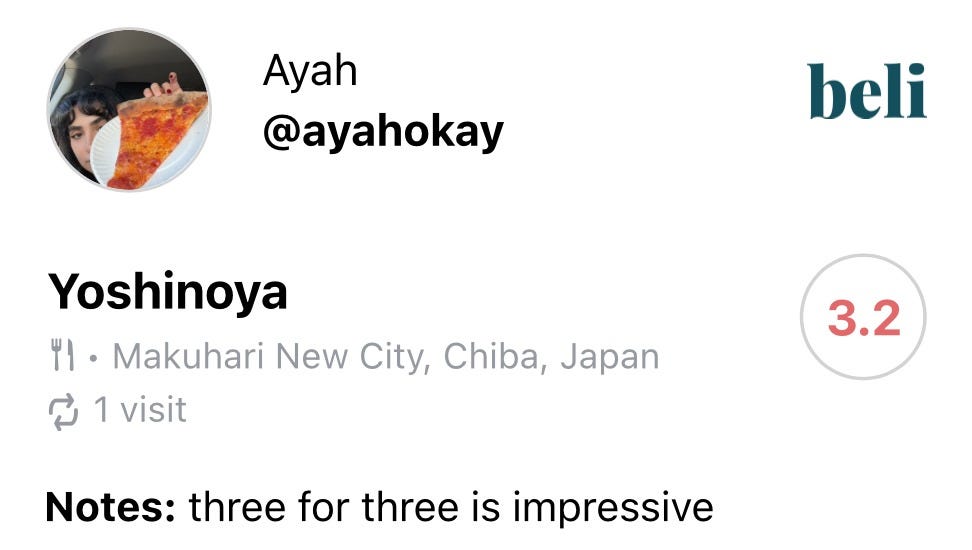
Dessert & Specialty Sweets


Micasadeco&cafe – ($$, Shibuya) Often touted as some of the best fluffy pancakes in Tokyo. Having tried Flipper’s, A Happy Pancake, and this spot, I’m inclined to agree — but only marginally. These have an edge for being ricotta-based, but don’t go wildly out of your way if you’re short on time. Be mindful of long wait times on weekends and around lunch.
Taiyaki Wakaba – ($, Yotsuya) A delicious, classic taiyaki shop open since 1958, located near Yotsuya Station. Not a fan of red bean paste? Head over to the next rec nearby instead.
trèfle(トレフル)– ($, Yotsuya) Delicious fruit sandos. If you don’t know what that is, it’s exactly what it says on the tin: heaps of whipped cream and sliced fruit sandwiched between the fluffiest, cloudiest pieces of white bread you’ve ever had.
Age.3 Ginza – ($, Ginza) Yummy fried cream sandwich shop. The creme brulee was my favorite! Delicious and not too sweet. Grab and go, no seating.
PAP.Coffee – ($$, Harajuku) A lovely kakigori spot just outside of the Harajuku Takeshita street hustle and bustle.
Naruto Taiyaki Honpo – ($, Various locations) Need another taiyaki fix? Grab a custard fish from one of their many locations throughout Tokyo. I’ve seen them in Shinjuku and Nakano, but they have more. Cash-only, grab-and-go spot.
Kanokoya – ($-$$, Kagurazaka) Wagashi (traditional Japanese sweets) shop. Their sweet potato wagashi is one of the best things I ate in Japan – just imagine a cake as rich as custard.
Drink
Tokyo is better known for its coffee than its matcha. I know, sorry to be the bearer of potentially bad news — I’m a tea girl, so I get it. But you’re doing this city a disservice if you don’t check out its coffee.
Coffee
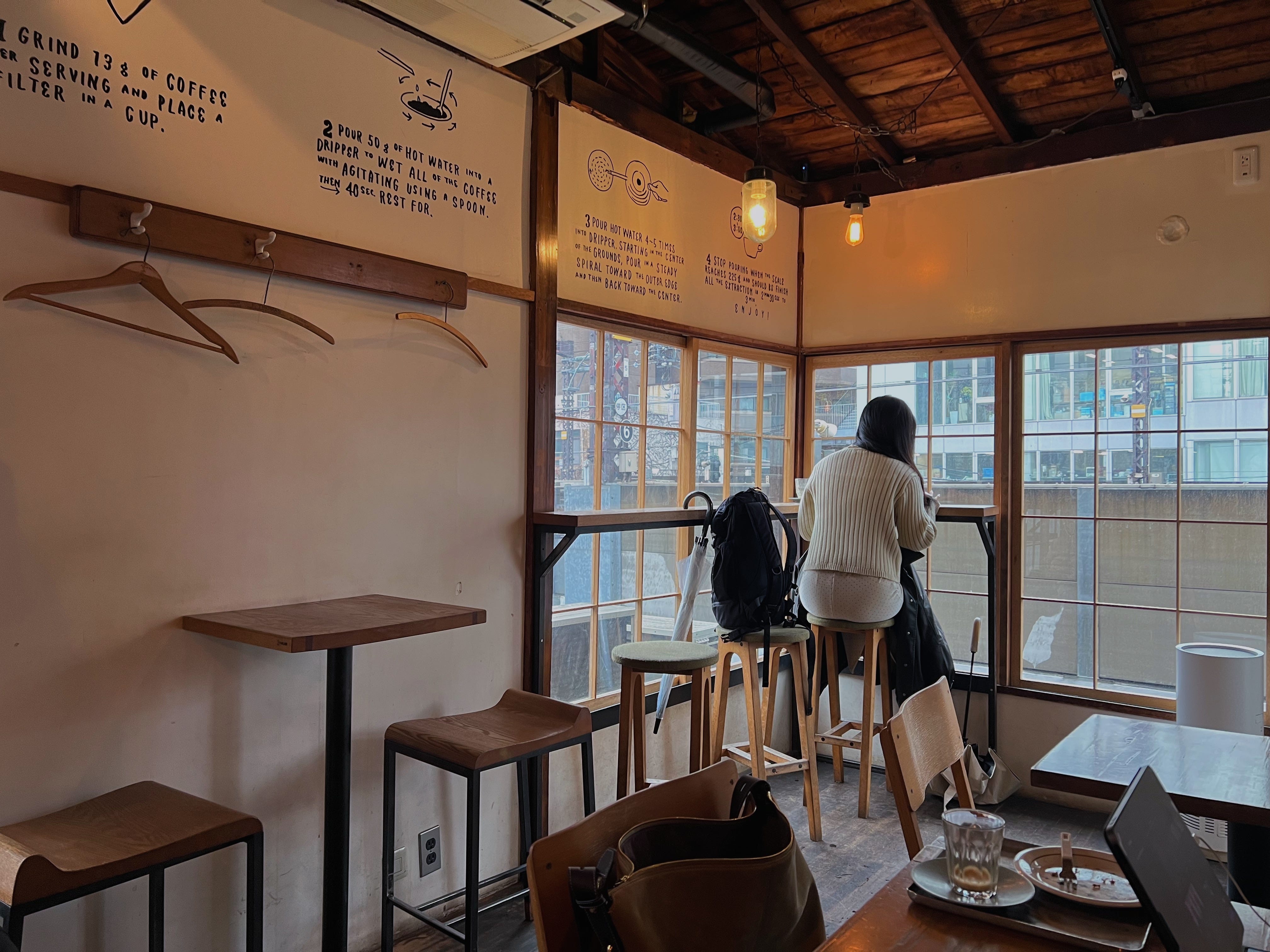
cafe ataraxia – ($$, Jimbocho) An absolute hidden gem of a cafe run by a married couple with a focus on single-origin coffee. This is a meikyoku kissa, or classical music listening café, housing nearly 10,000 records collected over a lifetime. Century-old Syrena and Credenza gramophones play orchestral music while you enjoy homemade desserts and excellent coffee. Tokyo as a whole converted me on coffee, but the cup of Yemeni Mocha Matari I had here could have done that all on its own. It’s a one-man operation, so please be respectful and don’t flood the spot.
Little Nap Coffee Stand – ($, Shibuya) An adorable cafe storefront right outside of the western entrance to Yoyogi Park. Perfect for stopping by before a stroll. Get the sweet potato scone! Limited seating.
Turret Coffee Tsukiji – ($-$$, Tsukiji) Hyped for good reason. Open early, so it’s a nice stop before or after a visit to Tsukiji Market. These were my favorite lattes in Tokyo. If you’re there in the spring, get their seasonal sakura latte – it’s fantastic. The carrot-basque cheesecake is divine as well. Limited seating.
Jubilee Coffee and Roaster – ($-$$, Shinagawa) Fantastic dark roast coffee with a nice fruity aftertaste. Don’t ask for more from me, I’m not a coffee snob yet. I loved the espresso tonics here.
ONIBUS Coffee Nakameguro – ($$, Nakameguro) More of a vibe rec than a coffee rec. Super cozy spot with two-level seating: downstairs is an open-air bench seating setup, and upstairs is a lovely enclosed second floor with a view of the elevated train tracks. I spent so many rainy afternoons writing here while the train barreled by every few minutes. Get the banana bread with espresso butter, it’s delicious!
KEMURISOU – ($-$$, Nishi-Shinjuku) A very sweet and whimsical coffee stand with nice drinks. Very limited seating.
Akha Ama Coffee Kagurazaka – ($-$$, Kagurazaka) A lovely Thai coffee outpost with a focus on single-origin and organic beans in the beautiful Kagurazaka neighborhood.
HAYAKAWA Coffee – ($-$$, Kudanshita) An adorable coffee shop with so much soul, run by the sweetest owner and team. A lot of them speak English, so chat with your barista!
and C. – ($, Shibuya) More nostalgic to me than exceptional. I had my first meal in Japan here. A short walk from the southwestern exit of Shinjuku Gyoen National Garden. If you come here, try the homemade pudding!
Matcha, tea, and others
茶屋 norm tea house – ($-$$, Asakusa) I completely stumbled upon this and it ended up being one of my favorite things I did in Tokyo. If you’re a tea lover, come here and let this wonderful team teach you all about sencha. Get the tea flight, and grab some on the way out to take home. As a lover of umami drinks, my personal favorite was the sencha yabukita. The roasted oolong black tea, which I believe was a blend, was incredibly unique and perfume-y as well. It is very cozy, with counter space only – so not suitable for large groups or very young kids.
Sakurai Japanese Tea Experience — ($$$, Aoyama) A relaxed, tourist-friendly Japanese tea room in the beautiful Spiral building. Staff speak solid English, the pacing is calm, and I learned a lot without feeling rushed. It’s pricey — my cheapest tasting course was almost $40 — so I’d recommend it most for tea enthusiasts or people who specifically want a guided introduction to Japanese tea. They specialize in gyokuro, a shade-grown green tea known for its rich umami that’s a bit bolder than sencha. If you want a cheaper tea tasting option, check out norm tea house. The experience will run you about 1 hour to 1 hour 20 minutes.

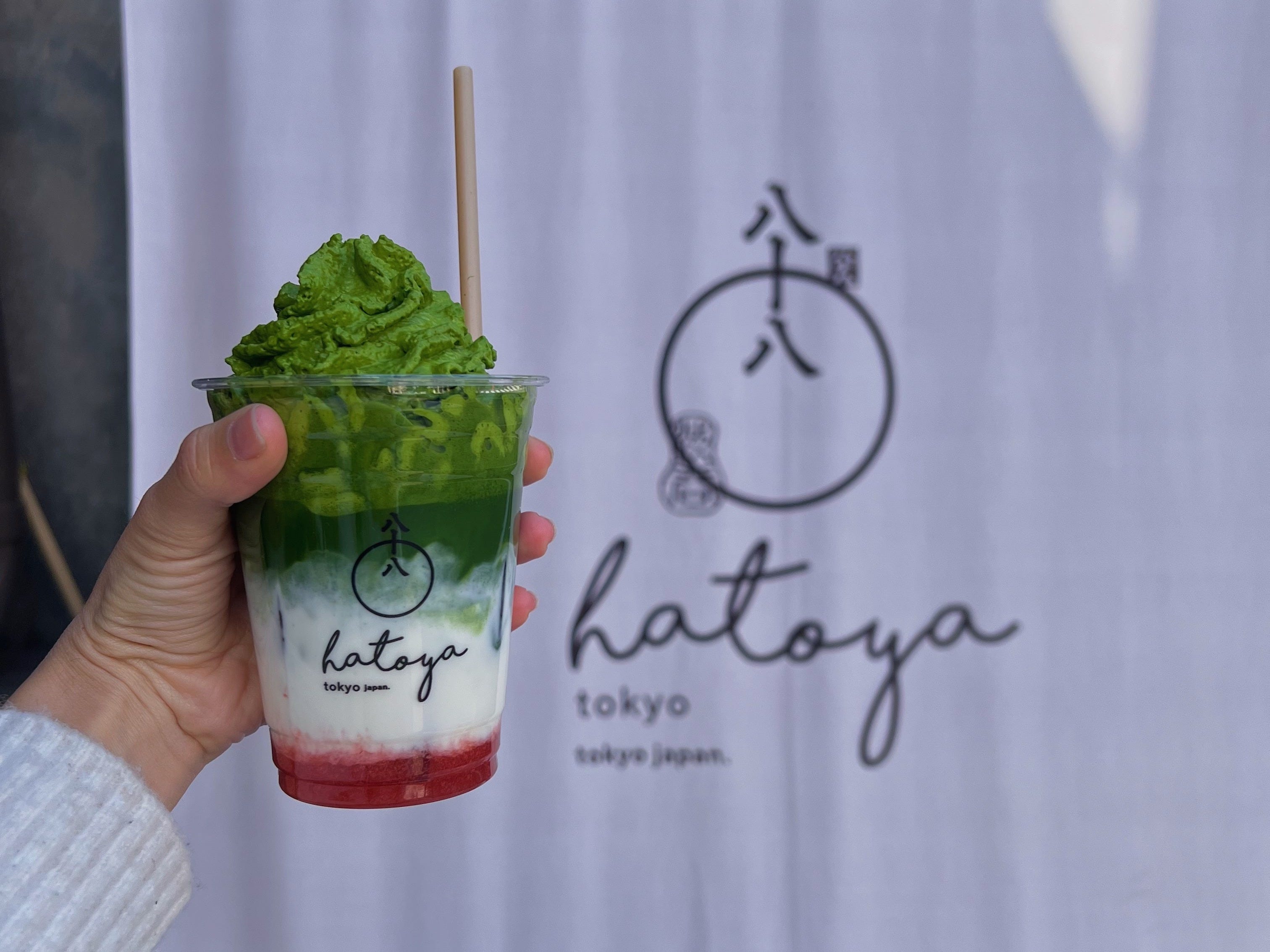
Hatoya – ($$, Shibuya) My favorite matcha spot in Tokyo. Be prepared to spend as much as you would in the States, but it’s worth it. If you make the trip down to Kamakura, head to the location just outside the train station and get the salt foam with your drink – it’s divine.
Matcha Passport – ($$, Shimokitazawa) Everyone who works here is super cool, they’re constantly hosting community events, and the drinks are great to boot. They’re open late, switching to matcha and hojicha-based cocktails in the evening. It honestly felt like visiting an American cafe (but drinks were half the price).
Chiyaba – ($$, Nakameguro) Tired of coffee and matcha? This cafe specializes in unique Nepali chai blends and runs an absolutely fantastic playlist. It’s a beautiful space located beneath the elevated Nakameguro train tracks, just a short walk away from ONIBUS Coffee. My favorite order was the Early Sunrise, which gives a Japanese twist to the chai with the included sweet and toasty genmai (brown rice). Be warned, there’s no Wi-Fi offered, so maybe bring a book instead?
Iyoshi Cola – ($$, Shibuya) I love a good medicinal drink. Japan is big into craft colas, and in my opinion, this one was the best. Prepare for a queue, get the dreamy flavor, and grab some syrup to take home. Walk to Shibuya Kitaya Park near the Blue Bottle for some nice outdoor public seating.
Bars
Cocktail focused.


Bar Civetta — ($$, Shimokitazawa) Sister bar to Osaka’s Bar d’Arome with a gorgeous, moody, intimate interior. They opened very recently, so stop by before it gets big.
With the millionth caveat that I love medicinal-tasting drinks (I don’t want people stomping into my DMs angry because they don’t share my lust for absinthe and fernet), get the Fernandito if you want to copy my order. The Pink Margarita is another delicious option if you’re a coward. And then nightcap over at Matcha Passport next door bc they are my homeboys
bar record – ($-$$, Ginza) A super vibey jazz listening bar in the heart of Ginza. Small, intimate hidden gem. Neon signs and red lighting. Amazing drinks, friendly bartender. Make this a stop.
No Room for Squares – ($-$$, Shimokitazawa) An even vibier jazz listening bar in Shimokita, though I preferred the drinks at bar record. More of a speakeasy vibe here. Friendly bartenders that speak English. No menu, so tell the bartender what you’d like. They sometimes have live performances on Sundays, but check their Instagram for updated info.
The Bellwood – ($$, Shibuya) Inspired by a blend of Taisho-era Japanese kissaten and New York-style jazz bars, this was the best all-rounder of the 50 Best bars I visited. Despite the crowds, the staff is always hospitable and happy to talk through the menu. Prices are decent, drinks are delicious, and this was the bar I visited most in Tokyo.
Don’t skip the dashi olives. And as a lover of savory, culinary drinks and desserts with depth, the BW Martini, Yakiniku Bloody, and Tokyo Banana were my favorites.
VIRTÙ — ($−$$, Otemachi) A gorgeous setting paired with by far the best hospitality I’ve experienced at a Tokyo bar. You will pay for it — the drinks here are pricey. Head bartender and beverage manager Keith Motsi very graciously sent me an amazing list of recommendations for the Asia-Pacific region. I’ll be sharing some of them in future guides.
FOLKLORE – ($$, Ginza) Fantastic cocktail bar focused on Japanese spirits sake and shochu. You get a sample of the spirit alongside what you order, and they list specific distilleries on the menu. Cozy vibe, beautiful interior…It’s a small-ish bar, so get in early or make reservations to guarantee seating.
The SG Club – (−$, Shibuya) A multi-level cocktail bar from the same family as The Bellwood — their sister bar in New York, Sip&Guzzle, has placed #1 on North America’s 50 Best Bars list two years in a row. Tokyo is the OG.
The basement menu has their most iconic cocktails, so try to reserve it if you can. They accepted basement walk-ins after 9pm when I went, though they don’t really advertise that anywhere.
If you’re a fellow savory cocktail lover, get the Tomato Tree / Insane Tomato — it’s one of the best cocktails I’ve ever had. And the Bathtub Yuzu Drop is directly inspired by a cocktail from Chicago’s The Aviary!
NEW YORK BAR – ($$$, Nishi-Shinjuku) A good cocktail bar that offers the best views of Tokyo, and the Park Hyatt is just so worth exploring. So much charm. Note that this is more of a views/ambiance rec than a drinks rec. Show up before 6:30pm/18:30 for no cover charge.
Miscellaneous Foodstuffs
USE TABELOG!!!!! — Japanese Yelp. Japanese diners are spoiled and precocious, just like a certain Definitive Guide to Tokyo author, and as a result, their scoring tends to be a bit harsher. Anything in the lower 3.0’s is probably good. Anything ranging from 3.4-4.0 is really good. Anything above a 4.0 is incredible.
7-Eleven is generally considered to be the best convenience store, and has in my opinion the best egg sando. But any of them will mog any convenience store you’re used to in America.
Depachika food halls — Department store basement food halls. Isetan will be the biggest one near Shinjuku station (and Shinjuku-sanchome station is directly in it). Go when you want to wander through beautifully prepared foods, fruit, sweets, bento boxes, and giftable food items.
Supermarket fruit — Expensive, yes. Worth trying at least once, also yes. If you see beautiful strawberries, melon, grapes, or whatever is in season and you feel called by the fruit gods, listen!!!
Tokyo Station Ekiben — If you’re taking a bullet train (shinkansen) out of the city, grab a bento before you board — there are even some sold on the platforms themselves! It’s one of life’s great little pleasures to eat a neatly compartmentalized lunch that feels spiritually superior to airplane food.
Explore
Tokyo rewards wandering, but it also requests a little structure — as I said earlier, it’s a reservation-heavy city. Do one skyline view, one museum or exhibition, one major shrine/temple, and at least one park or garden. Then let yourself get lost between them.
Skyline Views
You should really do one skyline view of Tokyo. Here are two great options that offer very different views of the city. Both are incredible, but you don’t really need to do both.


Shibuya Sky – This one is outdoors and a bit more cinematic, though not as high up as Tokyo SKYTREE. Definitely get a reservation around sunset. A bit more centrally located to the usual tourist circuit than SKYTREE.
Tokyo SKYTREE – SKYTREE is indoors and more panoramic. This one is a better all-day option.
Tokyo Tower also has an observation deck, but I’ve heard it’s underwhelming compared to these two. I haven’t been.
Exhibitions and Museums


teamLAB Borderless OR Planets – Very beautiful and unique immersive art exhibits, using floor-to-ceiling projections to answer the brave question of what it would feel like to live in a 90’s-era Windows screensaver. Both were incredible, you don’t need to do both unless you REALLY loved one. I preferred Borderless. Go for the last entry timeslot, as the crowds will be much thinner – I had entire rooms to myself at some points.
Tokyo National Museum – If you need to pick one museum to explore while in Tokyo, let it be this one. It’s Japan’s oldest national museum, with some of the country’s most noteworthy collections. The entire Ueno Park area is generally lovely to explore, and it has several museums on its campus to boot.
Edo Tokyo Open Air Museum – This is my white whale — I wish it was a recommendation I can say I’ve been to. They’ve been closed for renovations all three times I’ve been in the city, but I’ve only heard good things about it.
Nezu Museum – A pretty art museum at the end of the Omotesando/Aoyama shopping promenade hosting an even prettier private garden inside.
Tennozu Isle – Considered Tokyo’s “art island”, this beautiful little manmade island features a scenic boardwalk and a nice array of art and design stores.
21_21 DESIGN SIGHT – A contemporary design museum in Akasaka with a beautiful outdoor campus. They occasionally have free public exhibitions in one of the buildings, with an Issey Miyake collection on display while I was visiting.
Sites to Visit


Tokyo Tower – Tokyo’s answer to the Eiffel Tower. It’s really serene to walk around at night – it can get a bit touristy in the daytime. There’s a peaceful hillside shrine to check out nearby with gorgeous views of the tower.
Tokyo International Forum – An architectural marvel. The building is open till 11pm – I loved going late at night and wandering the top floors alone. The Oedo Tokyo antique market is held just outside the building about once a month. Check here for the latest dates.
The Spiral – A beautifully designed mixed-use building that often hosts exhibitions in Omotesando. Sakurai Japanese Tea Experience is on the top floor and offers a nice respite from the hustle and bustle of the street below. Feeling hungry after browsing art and drinking a full course of tea? Head to Hamburg YOSHI Omotesando next door for a filling, casual meal.
Kamakura/Enoshima – A very worthwhile daytrip only about an hour out from Tokyo. Enoshima’s got some beautiful island shrines and seaside cave explorations. Kamakura’s got a chill beach town vibe with some really cool temples to explore. It is accessible by some Tokyo JR lines and the Odakyu line. You can fit both in a day, but I had the luxury of time and did them separately, which allowed me to properly enjoy them more. If you’re going on a weekend, look into booking Odakyu RomanceCar options ahead of time as it shortens the trip duration a bit.
If you’d like to see a more robust guide on them both, please let me know!
Temples
If there are any two shrines or temples you should visit in Tokyo, make it these two:
Sensō-ji – (📍Asakusa) This is the temple with the iconic red lantern you’ve probably seen in a million Tokyo guides and Instagram pics — it’s also Tokyo’s oldest, built in 645. It is part of a larger complex, so it’s easy to kill an hour wandering the grounds. Try going super early in the morning or late at night if you want to beat the crowds.
Meiji Jingu – (📍Shibuya) A large shrine located in a gorgeous, serene wooded area steps away from busy and chaotic Harajuku. A beautiful respite from the city. Not as iconic as Sensō-ji, but I personally prefer visiting Meiji Jingu.
A few more temples and shrines to check out:
Tsukiji Hongwan-ji Temple – (📍Tsukiji) A vast, gorgeous Buddhist temple right outside Tsukiji station and a short walk from the famous market. They occasionally hold public events like morning yoga!
Gōtoku-ji Temple – (📍Setagaya) A temple dedicated to thousands of lucky cats. There’s a beautiful promenade of pine trees leading up to the temple.
Akagi Shrine – (📍Kagurazaka) A beautiful shrine blending traditional and contemporary architecture in an even prettier neighborhood.
Hie Shrine – (📍Akasaka) Monkeys. Torii gates. Don’t be like me and take the stairs in 27°C only to see the escalator at the top.
Nezu Shrine – (📍Bunkyo City) Get a small taste of Kyoto’s famous Fushimi Inari and its red torii gates.
Parks and Gardens
My favorite thing about Tokyo is the curation of green space. The city can get very concrete jungle, but when they build a park they commit to it.
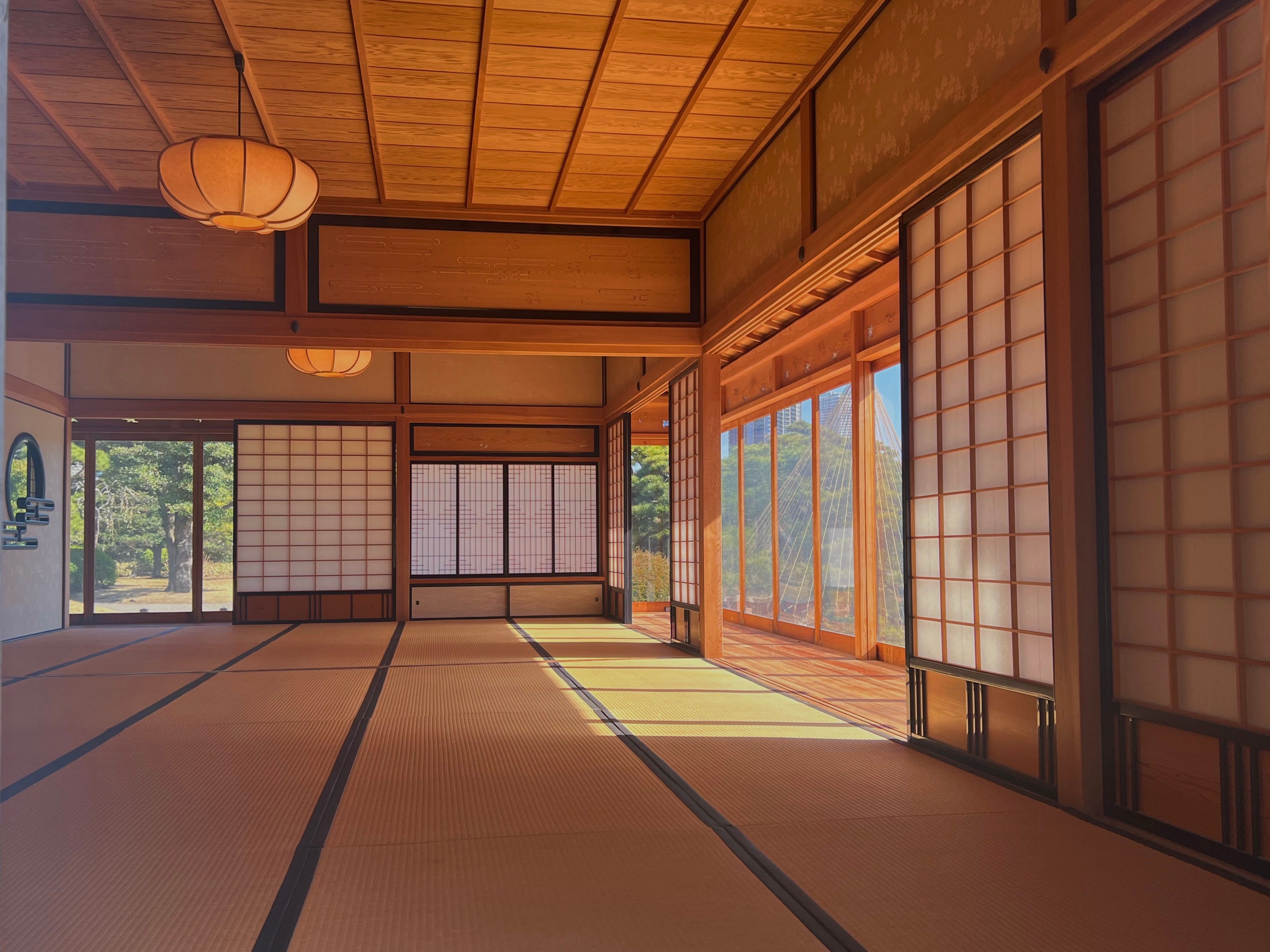
Hamarikyu Gardens – These beautiful gardens offer a cool slice of Japanese shogunal history and have the lovely Nakajima Tea House situated in the middle of a pond. Order a matcha and wagashi at the teahouse for ¥1000 and enjoy the beautiful views.
Inokashira Park – My favorite park in Tokyo, though a little out of the way being located in Kichijoji. It’s got a beautiful promenade and a large pond with boat rentals. It’s a wonderful place to curl up on a bench or picnic blanket and kill a day reading.
Shinjuku Gyoen National Garden – A centrally-located, manicured park with beautiful promenades and a pond. It is a ticketed entry at ¥500. If you are staying in Tokyo for a while I recommend the annual pass, which only costs ¥2,000.
Yoyogi Park – A sprawling park near Harajuku. It’s a bit less manicured than Shinjuku Gyoen, but absolutely vast and worth walking through if you’re in the area.
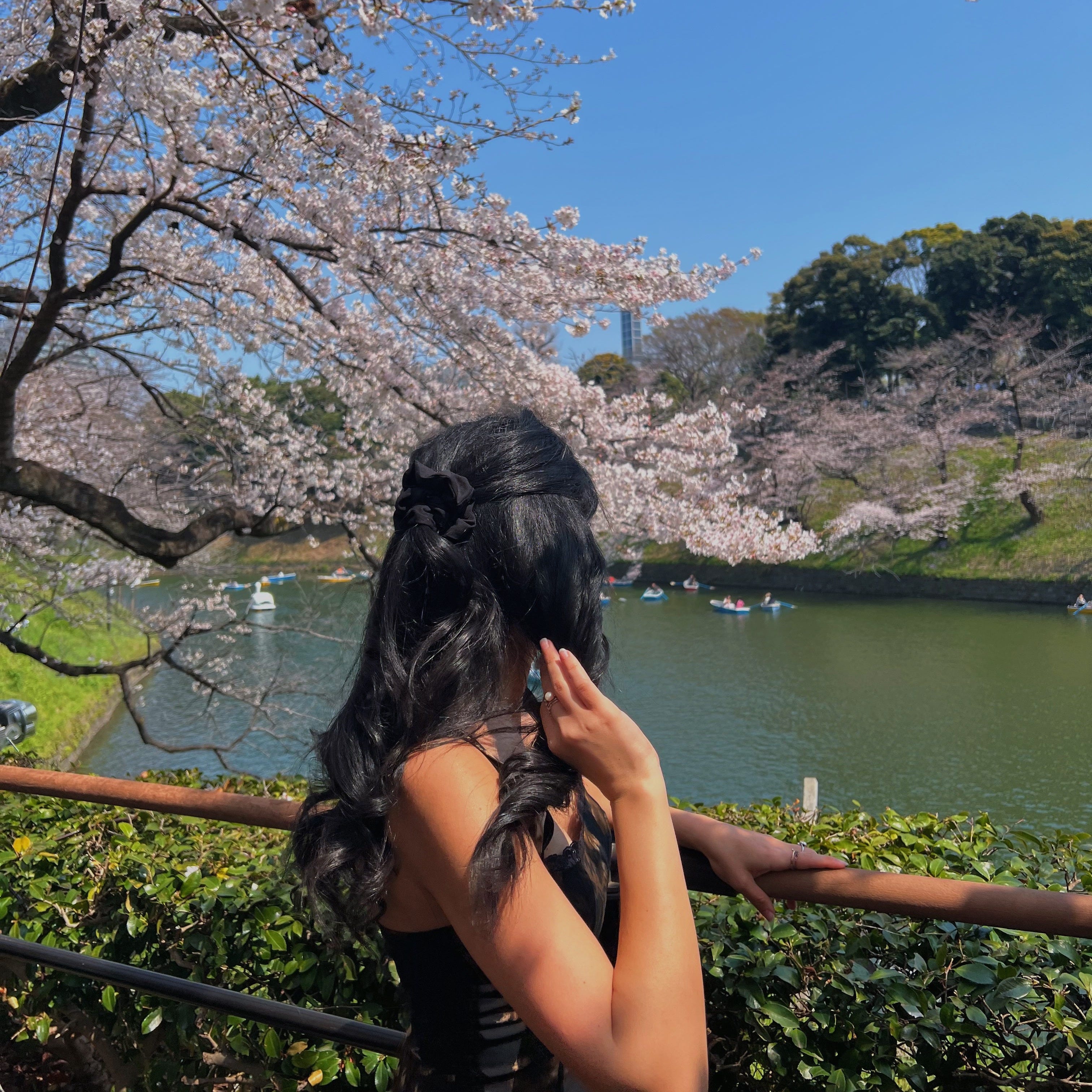
Chidorigafuchi – One of my favorite promenades in the city, located near the Imperial Gardens.
Shop
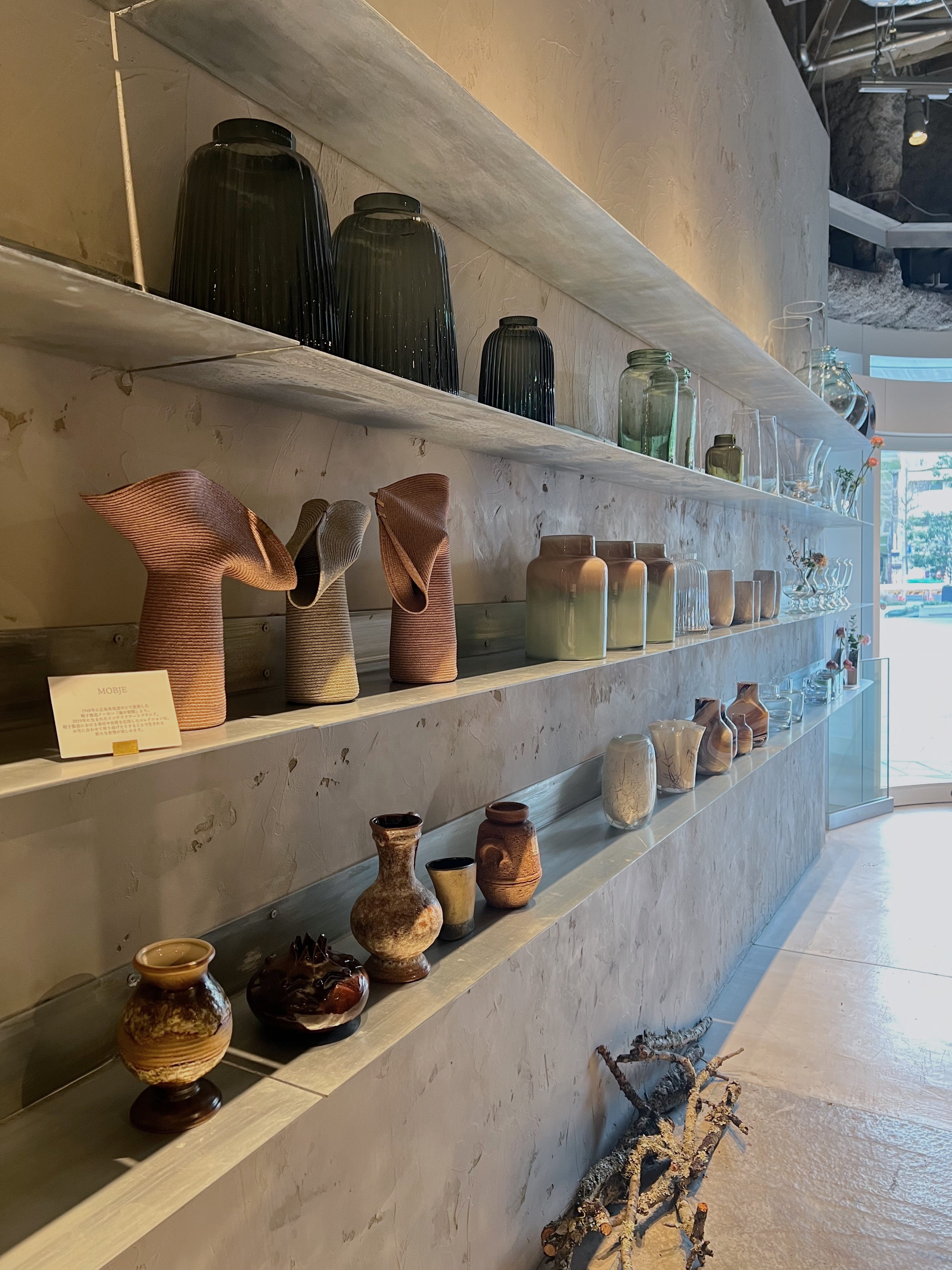
Omotesando/Aoyama – A luxury shopping district. Tokyo’s answer to NYC’s 5th Ave., Paris’ Champs-Élysées, London’s Bond Street, etc. It is crowded – walk westward on the avenue and the crowds get larger as you approach bustling, touristy Harajuku. Walk eastward and the crowds get thinner as the prices rise.
My favorite shops on the avenue are the Gentle Monster (an iconic Korean eyewear brand), TAMBURINS (a Korean fragrance store), the numerous Issey Miyake (a legendary Japanese designer) concept stores, and the Acne Studios (a minimalist Scandinavian fashion brand).
The Nezu Museum is located at the eastern end of the promenade.
Shimokitazawa – This is a cute, trendy neighborhood that used to be known for decent vintage and thrifting – I say used to because, like many good things, it has exploded in popularity and price. I still think it’s worth exploring, though for any Americans reading this, a lot of the resale being offered is American brands. It’s a bit more breathable than Shinjuku or Ginza, has some cute novelty and specialty shops, and some of my favorite cafes and bars in the city.
NEWoMan Takanawa Gateway – (📍Takanawa Gateway) This newly-opened mall is really lovely for walking around and feeling luxe without the oppressive Omotesando crowds. Head to the level 28 Sky Garden for panoramic views, open till late in the night.
I recommend starting your visit at the bois de gui — a flower shop with some beautifully curated home decor pieces — because it’s near the station exit and it’s gorgeous.
Tsutaya Books – (📍Daikanyama) Multiple locations, but the Daikanyama location is the flagship and my favorite. Tsutaya Books is essentially Japanese Barnes & Noble. They’re lovely to explore, and most host a SHARE LOUNGE, which is a hybrid cafe and co-working space. Be warned that day passes are pricey – but snacks are unlimited with your pass!
薫り創作専門店 Sokun – (📍Kagurazaka) A beautiful fragrance shop where you can create your own scents – tea and cookies offered as well.
Oedo Tokyo Antique Market – A gigantic outdoor flea market hosted about once a month right outside of the Tokyo International Forum. Best for finding art, antiques, handmade crafts, and clothes. And when I say gigantic, I mean it – if you want to browse the entire market, you should show up early and dedicate about three hours to it.
Oi Racecourse Tokyo Flea Market – A little more out of the way than the Oedo Tokyo Antique Market, and a looser vibe in terms of what’s being sold. Here you’ll find a wider array of items, though maybe of more varying quality – knockoff bags, kids’ toys, electronics, clothes, resale. You should dedicate a half day to this as it will take some time to get to Oi Racecourse.
Cosme – Japan’s answer to Sephora. The Harajuku location has a big display with their most popular and award-winning products so you don’t have to wander around like a headless chicken. I’ve included some of my favorite purchases below.
My recommended cosmetics purchases:
Nivea Marshmallow Care Body Milk: A deeply nourishing and hydrating body milk with no cast or feel left on the skin. I think it’s my favorite lotion I’ve ever used, and it’s cheap – you can generally find it at Welcia or other drugstores.
Torriden Hyaluronic Face Masks: The best masks I’ve found for hydration – they act as an incredible base for makeup. You can find these at any konbini, and they’re dirt cheap.
Sana Retinol Eye Cream: We’re getting into the viral stuff now. I tried it, and liked it – and unlike most retinol creams, it didn’t feel drying around my eyes, even in the dead of winter.
Biore UV Aqua Rich Sunscreen (SPF 50): Earns its virality – the finish is excellent, you don’t really feel it on the skin, and the protection works – I spot tested it on my face and chest versus a generic SPF 100 Walgreen’s sunscreen and I tanned way, way less in the Biore areas. Unfortunately most sunscreen gives me small breakouts, and this one is no exception, so I wouldn’t call it a holy grail.
PAUL & JOE Sakura Primer: A great clear primer for those that don’t want an insane white cast that seems to come with most Japanese primers. It’s kind of like a cheaper dupe of the Laneige Glowy Makeup Serum, which is a dupe of my holy grail, the Yves Saint Laurent Touche Eclat Blur. These ladder up in price – P&J will be your cheapest, YSL priciest.
Decorte Loose Powder: The best loose powder I found for baking when I ran out of my go-to Saie powder. Unfortunately leaves a white cast, which wasn’t an issue for my complexion in the winter. I tried using it again after a few months of building a tan in Southeast Asia, and let’s just say the results were scary.
La plage beauty – (📍Meguro) I have very nice eyebrows. I’m super neurotic about having them messed up, and was terrified I wouldn’t find hands I trusted them with — but Mai did a fantastic job.
Appointment only, and she only waxes — no threading — but is super meticulous. It will run you more than a wax or thread in the US — ~$20 USD.

Want to learn more about Tokyo?
Tokyo is a city that’s been destroyed and remade over, and over, and over again. Each past version has left an imprint on its future. That “old meets new” slogan you’ve probably heard in tourism marketing is not just cute copy — it’s a reflection of the city’s DNA, borne through repeated rupture, reconstruction, and memory.
And if there’s one thing I’m drawn to, it’s places that feel like the floorboards are hiding a haunting. There’s a black hole of memory in the pachinko parlor.
These videos and readings will begin to show you what I mean.
Built on the Past: How Edo Shaped the Tokyo We Know Today — (CNN, Article)
This is the cleanest and least grim introduction to Tokyo’s older urban history, dating back to when the city was still called Edo. If you want a quick primer on the past few centuries without immediately wading into the fog of war, start here.
It also supplies some interesting context behind why certain neighborhoods have the character they do – Jimbocho as a bookish district, Ginza as a luxe shopping hub, Asakusa as an entertainment center. And, spoiler alert: many of those reasons are older than the United States.
Why Tokyo Is the Opposite of Every Major City — (YouTube)
The unglamorous, bureaucratic answer to why Tokyo is so walkable, so affordable to eat in, and doesn’t sprawl into endless concrete misery like most megacities: its zoning.
Princes of the Yen — (YouTube)
This documentary traces how Japan’s postwar boom, the deranged 1980s bubble – at its peak, the land under the Imperial Palace was reportedly worth more than all of California – and the long deflationary hangover that followed were shaped from inside the Bank of Japan. Fair warning: it’s an argument, not a neutral account, and it gets a little conspiratorial toward the end. But watch it with a critical eye, and it’ll change how you read the “frozen-in-amber” impression of modern Japan completely.
Anthony Bourdain’s Tokyo Field Notes — (Tumblr)
“So in many ways, this show is about fantasy—as much as anything else.”
I have not yet seen the corresponding Parts Unknown episode, as I am moving through Tony’s work at a glacial pace — largely to avoid imprinting too strongly on his voice as an influence while I develop my own. Currently, I’m still moving through the low budget Y2K tomfoolery of A Cook’s Tour. But I allowed myself to cheat a little and read through these old field notes, which, like all of his writing, are a delight.
The Man Who Won’t Let the World Forget the Firebombing of Tokyo — (NYT, Paywalled)
A profile of Katsumoto Saotome, a survivor of the 1945 firebombing of Tokyo who spent much of his life collecting survivor testimonies and fighting against the city’s amnesia. He passed in 2022. Read this when you’re ready for a grim counterpart to the Edo piece: this part’s the haunting.
Useful Japanese to Know
Japanese is very phonetic, so what you see is usually exactly how it’s pronounced. I’ve included phonetic guidance for terms I think may need a bit of extra help.
Note for my novice learners who can read kana: When –は (ha) is used as a topic particle, it’s pronounced and romanized as “wa”.
Basic Phrases
Excuse me: Sumimasen (すみません)
I put it first because it’s probably the one you’ll be using the most. It’s a catch-all “excuse me” – for apologizing, moving past people, or getting someone’s attention.
Thank you: Arigatō gozaimasu (ありがとうございます)
Thank you (very much). To put it more casually, just say arigatō / ありがとう, but being more formal here isn’t weird.
Yes: Hai (はい)
No: Iie (eee-eh) (いいえ)
A direct “no” is considered a bit forward and potentially rude in Japanese – if you are visibly foreign they likely won’t take any offense, but also try not to say it too bluntly.
Hello: Konnichi-wa (こんにちは)
Literally translates to “good afternoon”. You can use this generally to say hello, but if you want to upgrade…
Good morning: Ohayō Gozaimasu (おはようございます)
Good evening: Konbanwa (こんばんは)
I’m fine / It’s alright: Daijōbu desu (だいじょうぶです)
Can be used literally to say you’re okay, or as a polite refusal of something (like being offered a plastic bag at a shop).
Please: Onegaishimasu (おねがいします )
Apologies, I don’t understand Japanese: Sumimasen, Nihongo-ga wakarimasen. (すみません、にほんごがわかりません。)
Is English okay?: Eigo demo daijōbu desu ka? (えいごでもだいじょうぶですか。)
Where is the restroom?: Otoire-wa doko desu-ka? (おトイレはどこですか。)
Help!: Tasukete! (たすけて!)
For emergency situations.
Phrases you might hear
Welcome!: Irasshaimase (いらっしゃいませ)
You’ll hear this constantly when entering restaurants and shops. You don’t need to respond, but I always did because I am cute.
Wait just a moment: Chotto matte (mah-tteh) (ちょっとまって)
Do you need a bag?: Fukuro-wa irimasu-ka? (ふくろはいりますか)
Respond:
Yes, please: Hai, onegaishimasu (はい、おねがいします)
I’m fine: Daijōbu desu (だいじょうぶです ) / Iie, kekko desu (いいえ、けっこです)
At restaurants
Menu, please: Sumimasen, menyū-o onegaishimasu. (すみません、メニューをおねがいします)
Do you have an English menu?: Eigo-no menyū-wa arimasu-ka? (えいごのメニューはありますか。)
This, please: Kore-o kudasai (koh-reh-oh kuu-da-sai) (これをください)
You can say this while pointing at a menu item.
How many people?: Nanmei-sama desu ka? (なんめいさまですか。)
I am alone: Hitori desu (ひとりです)
We are two people: Futari desu (ふたりです)
The “f” sound in Japanese is a little closer to an “h”. Think somewhere between “fu–” and “hu–”.
I have a reservation: Yoyaku shiteimasu (よやくしています)
For here or to go?: Tennai desu-ka? Omochikaeri desu-ka? (てんないですか?おもちかえりですか。)
For here: Tennai-de (てんないで)
To go: Mochikaeri-de (もちかえりで)
Cheers!: Kanpai! (かんぱい!)
Bon appetit: Itadakimasu (いただきます)
The phrase literally translates to “I humbly receive”, but contextually means “Let’s eat” or “Bon appetit”.
Check, please: Okaikei-o onegaishimasu (おかいけいをおねがいします)
Thank you for the meal: Gochisōsama deshita (ごちそうさまでした)
Said as you’re leaving/after the meal is completed.
Shopping
How much is this?: Kore-wa ikura desu-ka? (これはいくらですか?)
Can I try this on?: Shichaku dekimasu-ka? (しちゃくできますか ?)
Do you have this in [Small/Medium/Large] size?: Kore, [S/M/L] saizu arimasu-ka? (これ、[S/M/L]サイズありますか ?)
Yes, you literally say the letters S/M/L.
All done!
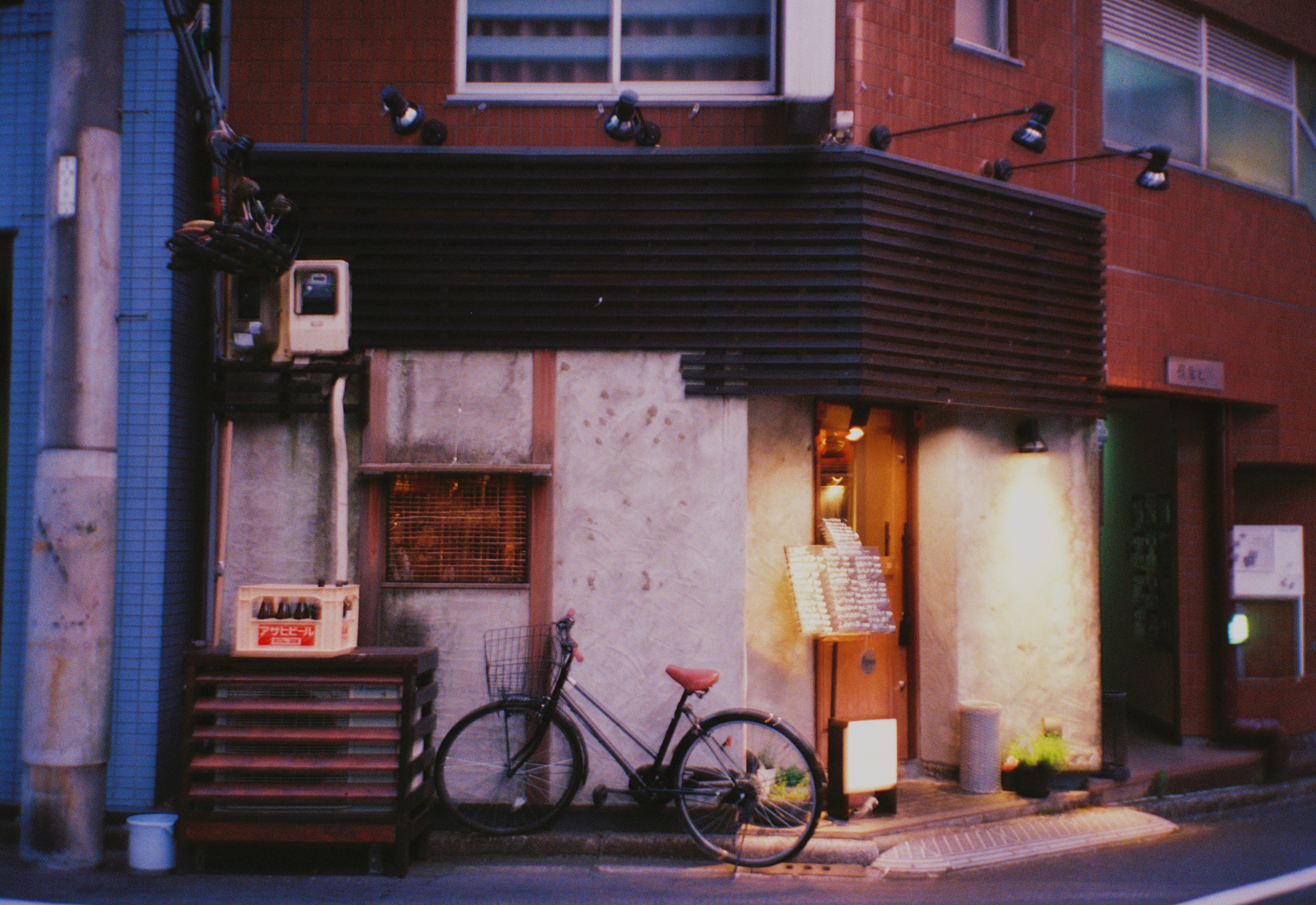
Okay! That’s everything I’ve got, or at least everything that fits. Please, please go and wander past the pins; the best things on any trip are rarely found on the initial list.
Thank you to Ayumi, Mike, Fujii, Manae, John, Charles, Désirée, Jin, David, Chris, Sienna, Katie, Asha, Bryan, Kiet, Joey, Shona — and all of the other travelers I met who sent me somewhere new. You are all proof of why the initial list is never the best.
And for my novice solo travelers — really, you’re the ones I’m writing for — I get wanting a hand to hold on your first adventure. Because Tokyo was my first international solo adventure back in 2022, and I was so, so shy the first time I came here. I hope this list empowers you to be a little braver.
Take what’s useful, ignore what isn’t, and go build your own version. Tokyo and I still aren’t done with each other, and I don’t think you will be either. Safe travels!
Have a specific question, or want a more directed recommendation? Reach out on Instagram, I’d love to help. And if this was useful, throw me a sub — there are more guides coming soon. Thanks!